
Find out about taking a Vietnam sleeper train. Let’s talk about whether it is worth it, how to book, tips to survive, different berth types, my journeys, and what to expect!
If you’re thinking about taking a sleeper train in Vietnam, you’re not alone. It’s one of the most popular ways to travel long distances in the country, and for good reason.
Vietnam’s sleeper trains let you cover ground overnight, saving massively on time and accommodation costs. That said, not all sleeper trains are created equal, and comfort depends heavily on what you book.
Sleeper trains actually became my main way of getting around Vietnam.
With a rail network that runs almost the length of the country, it was so easy to travel from A to B. And after a few rough sleeper bus experiences, I was more than happy to pay a bit extra for the train.
Are the overnight trains in Vietnam perfect? No, there are plenty of horror stories out there, and it’s pricier. But if you know what to book and what to expect, they can be a really decent way to travel.
Here’s a quick rundown of what to expect on a Vietnam sleeper train:
| Topic | Quick Answer |
|---|---|
| Best sleeper class | Soft sleeper: 4-berth cabin |
| Typical cost | US$5–US$85 depending on the route and class |
| Common sleeper routes | Hanoi → Lao Cai, Hanoi → Hue, Da Nang → Nha Trang, Nha Trang → Ho Chi Minh City |
| Best berth | Lower berth |
| Can you sleep? | Yes, but expect some noise and movement |
| Food and toilets | Available, but basic |
| Is it safe? | Generally, with normal travel precautions |
| Where to book | Baolau, 12Go Asia, or Vietnam Railways |
Vietnam Sleeper Train Tips: Booking, Berths, Safety & Sleep
🚗 How I Book Cheap Transport In Vietnam: Baolau & 12Go Asia
How To Book A Sleeper Train In Vietnam
Booking a sleeper train in Vietnam is way easier than it used to be, and you can do it online in just a few minutes. Just make sure you use the right platforms to avoid getting scammed by fake websites.
Book Your Ticket Online
The simplest way to book is online. While some sites still mention printing tickets or exchanging them at the station, this usually isn’t necessary.
I purchased all of my sleeper train journeys through Baolau, where you can simply show your ticket on your phone to the train attendant. I never had any issues doing this.
Baolau is a third-party service, so there’s a small fee built into the price, but for convenience alone, it’s totally worth it. It took a few minutes to do, I was able to choose my exact bed, and the tickets were emailed to me straight after.
Buy Tickets From Vietnam Railways
If you’re on a tight budget, you can also book directly through Vietnam Railways. This is often where you’ll find cheaper hard seat or hard sleeper options that don’t always appear on third-party sites.
Just make sure you’re using the official Vietnam Railways website since there are many knockoffs.
You can also buy tickets at the train station, but sleeper trains often sell out in advance, especially on those popular routes.

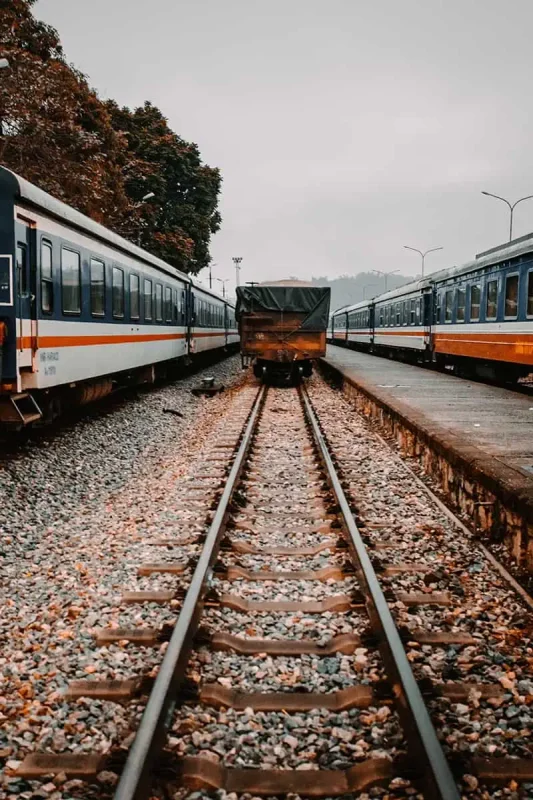
Typical Costs Of An Overnight Train In Vietnam
The cost of your sleeper train will depend on the route, berth, and where you book your ticket.
Most travelers, including myself, find the soft sleeper AC the best for comfort and value. The lower berth is the most popular, so definitely book this one in advance.
As a rough guide:
- Short routes around 3 hours: $5–$10
- Mid-length routes around 13 hours: $30–$45
- Long routes 18 hours+: $55–$65
Yes, sleeper trains are much more expensive than buses, but they’re way more comfortable, especially for those long overnight journeys!
Below is a snapshot of typical prices on the Reunification Line departing Hanoi. These are some of the most common routes you’ll use, though there are plenty of other stops along the way.
| Vietnam Sleeper Train Prices (From Hanoi) | |||||||||
|---|---|---|---|---|---|---|---|---|---|
| Fares from Hanoi to: | |||||||||
| Soft seat AC | Hard sleeper AC | Soft sleeper AC | |||||||
| Ninh Binh | $5.80–$7.60 | $9–$11 | $8–$15 | ||||||
| Hue | $20–$27 | $35–$38 | $50–$51 | ||||||
| Da Nang | $30–$31 | $36–$40 | $52–$54 | ||||||
| Nha Trang | $44–$49 | $52–$55 | $57–$58 | ||||||
| Saigon | $38–$42 | $52–$58 | $75–$85 | ||||||
Where Can You Travel On Vietnam’s Rail Network
Vietnam’s rail network runs almost the entire length of the country, making trains a handy way to get around, especially for overnight journeys.
While there are a few smaller regional lines, most sleeper train trips fall along the Reunification Express, between Hanoi and Ho Chi Minh City.
And no, most people don’t do this as one massive journey. Instead, you’ll use the train for individual legs between destinations as you move north or south.
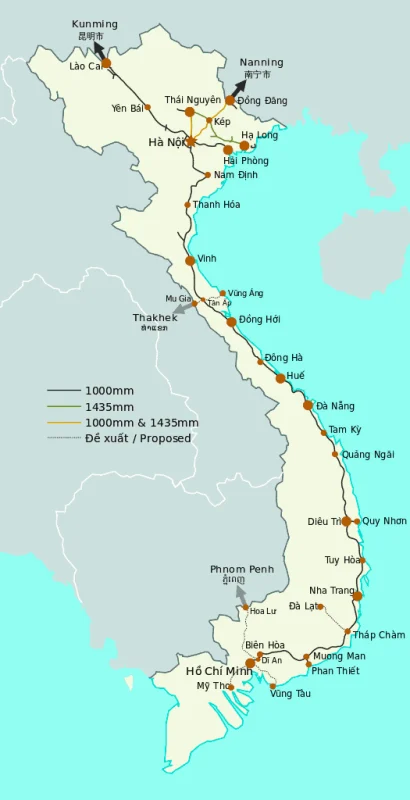
The Reunification Express (Hanoi To Ho Chi Minh)
This is the main route linking most cities all the way from north to south, and it’s super popular.
Some common stops you’ll find are:
- Hanoi
- Ninh Binh
- Hue
- Da Nang for Hoi An
- Nha Trang
- Ho Chi Minh City
There are also plenty more stops along the way you can visit, but these are the main ones on the tourist trail.
Top tip: Sleeper trains make the most sense on journeys lasting eight hours or longer, such as Hanoi to Hue, Da Nang to Nha Trang, or Nha Trang to Ho Chi Minh City. For shorter routes like Hue to Da Nang, book a daytime train and enjoy the scenery instead.
Other Popular Train Routes Worth Knowing About
Not everything runs along the Reunification line. There are actually a few other routes worth considering for your Vietnam itinerary.
Hanoi To Lao Cai (For Sapa)
This is one of the more popular sleeper train routes in Vietnam, as the roads are quite mountainous and windy. A lot of travelers will take an overnight train from Hanoi to Lao Cai, then continue on to Sapa by bus or taxi.
If you want any chance of decent sleep, book a 4-berth soft sleeper, so you arrive ready to hike, not ready for a nap.
Or if you’re keen on something more bougie, there’s also the luxury train with prices starting from $60.00. That way, you’ll arrive refreshed to go trekking in Sapa.
Ho Chi Minh City To Phan Thiet (For Mui Ne)
The quickest way to get to Mui Ne is to travel from Ho Chi Minh City to the Phan Thiet train station. You’ll see some people actually book Binh Thuan on the Reunification line, but this will take you longer.
Once you arrive in Phan Thiet, it’s a super easy 30-minute taxi over to Mui Ne.
Hanoi To Hai Phong (For Cat Ba Island)
The train from Hanoi to Hai Phong is a great way to get to Cat Ba on a budget. It’ll take around 2 hours, and tickets are just a few dollars.
Just don’t expect luxury here. It’s mostly AC & ordinary seats, but since it’s not long you don’t need anything fancy.
Once you arrive in Hai Phong, you can easily take a ferry or speedboat over to Cat Ba. The journey takes between 30 minutes and an hour.
Hanoi To Ha Long Station
Ha Long Bay may be super famous for those beautiful cruises, but why not take the train from Hanoi? It’s perfect if you’re interested in experiencing some local travel before the luxury boat trip or just want to get there on a budget.
Now, these trains are pretty basic, with hard seats only, so keep expectations low. In Ha Long, the station is clean and onward transport is easy to sort once you arrive.

Which Berth Should You Book?
Not all trains are equal, and even when you book the same class twice, the setup can change depending on how recently it’s been refurbished. Some carriages have been nicely updated. Others feel like they’ve been rolling since the 1990s.
It’s a bit of luck of the draw, but choosing the right berth will help you have a good sleep. Also, not all trains have every class. It’s best to double-check your layout when booking so you don’t end up disappointed.
Seat vs Sleeper: What’s Actually Worth Booking
Sure, you can book seats. They’re cheap and you’ll save money, but I’d only recommend them for short rides.
Types of seats you can book:
Hard seats are made of wood, which is perfect if you want a numb bum.
Soft seats are cushioned and more comfortable, but they’re still your standard seat.
Definitely skip booking a seat for overnight travel unless your budget is crazy tight. Sleeping upright isn’t a great backpacking moment.
Seats are better for trips under a few hours. Anything longer and you’ll be very glad you booked a bed.

Hard Sleeper vs Soft Sleeper
For Vietnam overnight trains most travelers, including myself, choose to book a soft sleeper.
Soft sleeper cabins:
- 4 people per cabin
- More space
- Better comfort
- Lockable door
- Quieter overall
Hard sleeper cabins:
- 6 people per cabin
- Slightly tighter layout
- Less headroom on bunks
- More budget-friendly
Despite the name, you’re not actually sleeping on a rock, the mattress is still padded and soft. You’re essentially just missing out on headroom as the beds are stacked 3 high instead of 2.
Both sleeper types include:
- Luggage storage under the lower bunks or above the door
- Pillow + sheets + duvet
- Reading light
Lower vs Upper Berth
Even though you’re in a nice sleeper cabin, people still have a preference for a lower or upper berth. Fair enough, you want to be comfortable, and I know I love a lower berth for that little bit of extra space.
Lower berth
- Easier to climb into
- Slightly more space
- Good if you hate ladders
- Downside: bunkmates may sit on it during the day
Upper berth
- More private
- No visitors on your bed
- Usually cooler (closer to AC)
- Downside: ladder gymnastics are required to get up top
If you get cold easily, definitely bring a layer. The AC is known to blast on board.
Top tip: When booking through Baolau or 12Go Asia, you can choose your upper or lower berth in advance!

🚗 How I Book Cheap Transport In Vietnam: Baolau & 12Go Asia
What To Expect Onboard
Sleeper trains in Vietnam are pretty straightforward. Sure, you’re not getting some luxe all-inclusive rail experience, but you’re also not roughing it.
The carriage may be slightly worn, perhaps the bedding has already been used, but it’s clean, comfortable, and good enough for one night.
Facilities & Layout
Each sleeper carriage is set up with multiple cabins and a shared corridor.
Inside your cabin, you’ll get:
- Bedding (pillow, sheet, and duvet)
- Reading light
- A limited number of plug sockets
You can keep your bags under the bed or on the rack above the cabin door. Don’t stress, bigger backpacks fit fine, just don’t bring your entire life.
There’s also no showers onboard, so don’t expect to arrive feeling super fresh.
Toilets & Cleanliness
Each carriage normally has two toilets: one Western-style and one squat toilet.
They’re generally clean at the start of the journey. But then it depends on how busy the train is and how good the other passengers are at aiming.
By morning, conditions can be a bit hit or miss (literally), and it’s usually the latter.
Bring:
- Toilet paper
- Hand sanitizer


Food & Drinks
There is hot water available in each carriage, which makes instant noodles a popular dinner choice (you’ll see a lot of them).
A food cart usually comes through selling basic meals and snacks, but options are pretty limited and not the most exciting.
You’ll be much better off buying food before boarding, and it’s always cheaper. Most stations have small snack shops, or just bring along a takeaway meal. I’ve tested and confirmed that a banh mi travels pretty well.
Wi-Fi, Signal & Charging
Some trains do say they offer onboard Wi-Fi, but don’t plan on it actually working. In the best case, you’ll get the odd connection, but most of the time it’ll be too slow to do anything.
Mobile data with a local SIM works way better, though you’ll still lose signal in more rural areas.
Power sockets are available in sleeper cabins, but not always in the most convenient spot. Bringing a power bank is a good backup plan.
Can You Actually Sleep on a Vietnam Sleeper Train?
In short, yes, most people can. But really, it depends a bit on how deep a sleeper you are and what cabin you book.
If you’re expecting luxe hotel-level silence and zero movement, you’ll obviously be pretty damn disappointed. But if you’re okay with a bit of rocking and background train noise, you’ll sleep just fine.
Personally, I slept really well on Vietnam’s sleeper trains. I’m one of those people who gets knocked out by moving transport, the gentle rocking works like a lullaby for me.
Just make sure to book the best berth for you, bring along an eye mask or headphones, and keep your expectations in check.
What Sleep’s Really Like
Sleeper cabins are dark at night, and each berth has its own little reading light you can switch off. Bedding is provided, and soft sleeper cabins are comfortable enough for a decent rest.

Noise, Movement & Night Stops
Trains aren’t silent. You’ll obviously hear the track clacking, announcements, and the sounds of doors opening and closing.
You’ll feel the train slow down and speed up as it passes by different stations and towns. It’s not crazy constant, but if you’re a light sleeper, chances are you’ll notice it.
The good news is there aren’t actually that many overnight stops, so you should definitely get some rest.
Tips To Sleep Better
- Book a soft sleeper & avoid seats for overnight trips
- Bring earplugs & eye mask
- Choose a lower berth if you hate climbing
- Pack a light jacket for the air conditioning
Safety, Luggage & Mistakes To Avoid
Sleeper trains are pretty safe overall, but like anything, a little preparation and research will help massively. You don’t want to be making rookie mistakes like booking your ticket too late or losing your valuables.
Is the Vietnam Sleeper Train Safe?
Overall, sleeper trains in Vietnam are definitely one of the safer ways to travel around Vietnam. Especially compared to the overnight buses, which can be dangerous with overworked drivers.
That means your main risk on the train isn’t accidents, it’s petty theft. Like anywhere with shared cabins and overnight travel, you’ll want to keep your valuables close and use a bit of good ol’ common sense.
I never personally had any issues on the Vietnam trains, but I still took basic precautions every time.
Keeping Your Luggage Safe
A few precautions will make a massive difference in how secure you and your belongings are:
- Keep valuables in a small bag with you, not in your main pack
- Use a lock on your big bag
- Lock your cabin door when everyone is inside (soft sleeper cabins)
- Don’t leave phones, wallets, or passports sitting out overnight
- Store big bags under the lower bunk or on the overhead rack
There’s no need to be paranoid, I’ve taken plenty of trains in Vietnam and never had a single issue.
Common Sleeper Train Mistakes
Surprisingly enough, the problems people have usually come down to poor preparation
Basically, you’ll want to avoid these common mistakes:
- Leaving booking your ticket too late. Sleeper berths often sell out days ahead or even weeks in peak season, like during Tet
- Not bringing any food or water with you, and instead hoping for a luxe dining cart
- Thinking it’ll be as warm as it is outside, and not having a jacket. The AC can be super chilly!
- Accepting the first taxi price outside the station. Walk a little farther and chances are it’ll be cheaper.
Also, if you’re on a budget, it’s worth remembering that not every “sleeper train” runs strictly at night. You’ll find them during the day as well, and it can be quite a bit cheaper.

My Experience Using Overnight Trains in Vietnam
I took quite a few overnight trains in Vietnam, and they ended up being way better than expected.
In all honesty, my expectations were low because I had read so many dramatic horror stories online. To say I was a little nervous before my first train would be an understatement.
I booked all my tickets online over on Baolau. It was surprisingly easy to do and even let me choose my exact beds for each trip, the lower bunk is for sure my favorite.
Hanoi To Hue In An AC Soft Sleeper
My first overnight trip was from Hanoi to Hue in a standard four-berth soft sleeper cabin.
Boarding was pretty damn straightforward, even in such a big station. Once I found the right carriage, everything felt way easier than expected.
The cabin itself was simple but comfortable, with bunks, power sockets, lights, and a small table. Nothing fancy, but absolutely fine for a night. I shared with two quiet locals who barely made a sound the whole ride.
The train left on time, and the gentle rocking made it crazy easy to fall asleep. There were a couple of loud station announcements during the night, but they were pretty brief, and I drifted back off quickly.
Overall verdict: decent sleep, felt safe, would definitely do it again.


Hue to Da Nang In A Refurbished Carriage
We took a short daytime sleeper journey from Hue to Da Nang on one of the refurbished trains. It was a crazy difference!
The interior was brighter and more modern, and the bathrooms had clearly been upgraded too. It was still the same pretty basic layout, just felt a bit fresher.
Funnily enough, this was supposed to be one of the trains with Wi-Fi onboard. It did not. Not even a little bit. So definitely don’t book a specific train just for promised internet.
Da Nang To Nha Trang On An Older Train
I also braved a 10-hour sleeper train during the daytime from Hoi An via Da Nang to Nha Trang. This was in an older, non-refurbished carriage, and it was the worst of the lot, unfortunately.
The cabin layout was the same, but everything felt a lot more worn, and the AC struggled with the midday heat. Instead of the usual “bring a jacket, it’s freezing” situation, I was sitting there sweating.
It was still perfectly rideable, just a lot less comfortable, and a good reminder that not all trains are equal. Since then, several of these older trains have been refurbished. So hopefully you don’t have to deal with this.
FAQs About Overnight Trains In Vietnam
Is it better to take a sleeper train or a sleeper bus in Vietnam?
If you like space, actual beds, and not being folded in half, take the sleeper train. Buses are cheaper, but they’re bumpier, noisier, and way less private. If there’s a train on your route, I’d pick it every time.
Are Vietnam sleeper trains safe for solo travelers?
Yup, they’re pretty safe, especially if you book a soft sleeper cabin with fewer people and a lockable door. Just use normal travel common sense by keeping valuables close and not leaving your phone sitting.
Where do you put your luggage on a Vietnam sleeper train?
Big bags go under the lower bunk or on the rack above the cabin door. Keep your valuables in a small bag with you.
🚗 How I Book Cheap Transport In Vietnam: Baolau & 12Go Asia
Wrap Up: Should I Actually Book A Vietnam Overnight Train?
Honestly, if there’s a sleeper train on your route, book it, it’ll be well worth it.
You’ll get a proper bed, more space than a bus, and you’ll save a night’s accommodation. It’s not luxury travel, but soft sleeper cabins are comfortable enough to get decent sleep and arrive somewhat rested.
Book the right berth, manage your expectations, and just bring a few basics. By doing this, Vietnam’s sleeper trains can be one of the easiest and best ways to get around the country.
Any Questions? Let me know in the comments!
LIKE IT? PIN IT!

Disclaimer: This post contains affiliate links. So, if you click on it and purchase something, I get a small percentage at no extra cost to you. As always all opinions are my own and your support is much appreciated.
Photo credit: “20180313_151952”(CC BY 2.0) by Rob Glover. “Train to Hue” (CC BY 2.0) by Nick.
Want more Northern Vietnam Inspiration? Check out….
- 3 Weeks In Vietnam Itinerary For First Time Visitors
- The Best Things To Do In Vietnam
- How Much Does It Cost To Travel In Vietnam & My $25 Daily Budget
- Scams in Vietnam To Know About
- Backpacking Vietnam On A Budget Guide
- Taking A Vietnam Sleeper Bus Transport Guide
- What To Expect On A Vietnam Sleeper Train
- 3 Days In Hanoi Itinerary For The Ultimate Visit
- The Best Hostels In Hanoi
- Backpacking Hanoi In Vietnam Guide
- Ha Long Bay On A Budget
- Discovering Lan Ha Bay and Cat Ba Island
- Hanoi To Sapa Transport Guide
- 3 Days In Sapa Itinerary And Tips
- Visiting Sapa During February
- Hanoi to Hue Transport Guide
- 2 Days In Hue Itinerary & Tips
- Explore The Imperial City Of Hue In Vietnam
- Hue To Da Nang Transport Guide
Related Posts

My Son Sanctuary Hoi An: BEST Tips & Tours (2026)
Come discover the incredible site of My Son Sanctuary from Hoi An. I will let [...]
5 Comments

Best 8 Beaches In Nha Trang You NEED To Visit!
Come check out crystal clear waters by exploring the best beaches in Nha Trang. Beach [...]
Vietnam Sleeper Trains: Routes, Prices & What To Expect
Find out about taking a Vietnam sleeper train. Let’s talk about whether it is worth [...]
15 Comments
Taking A Vietnam Sleeper Bus: What You Need To Know
Find out all about taking a Vietnam sleeper bus, whether it is worth it, how [...]
7 Comments
Backpacking Hanoi On A Budget: My Top Travel Tips
Find out everything you need to know about backpacking Hanoi on a budget while in [...]

Best Things To Do In Mui Ne: My Top Attractions (2026)
Looking for the best things to do in Mui Ne? From enormous sand dunes and [...]
23 Comments

Tra Que Vegetable Village, Hoi An: Is It Worth Visiting?
Find out about visiting Tra Que Vegetable Village located in Hoi An, Vietnam. Learn about [...]
1 Comment

3 Days in Sapa Itinerary: Trekking, Fansipan & a Homestay (2026)
Planning 3 days in Sapa? This mountain town in Northern Vietnam is all about rice [...]
2 Comments

Nho Que River Boat Ride: Visiting While On The Ha Giang Loop
Planning a Nho Que River boat ride while doing the Ha Giang Loop? From the [...]
Hanoi Airport To Ha Giang: How To Get There
Ready to swap the busy streets of Hanoi for the mountains of Ha Giang? Here’s [...]

How To Get From Hanoi To Sapa: Best Transport Options
Want to swap Hanoi’s chaos for rice terraces and mountain views? Here’s exactly how to [...]
2 Comments

Nha Trang To Mui Ne: Travel By Bus, Train Or Private Transfer
If you are traveling the entirety of Vietnam you will no doubt find yourself needing [...]
The Best Hostels In Hanoi: 9 Top Hostels Worth Booking
Come check out the best hostels in Hanoi for the perfect stay in Vietnam. I [...]

Imperial City Of Hue: What You NEED To Know
Find out about spending a day exploring the Imperial City of Hue in Vietnam. Learn [...]
11 Comments

Snorkeling In Nha Trang: Hon Mun Tour Review & Tips
Nha Trang no doubt is a tourist hub in Vietnam, with a lot more of [...]
3 Comments
Backpacking Hoi An Itinerary: 3 Days In Hoi An Travel Tips
Come find out all you need to know about backpacking Hoi An to have the [...]
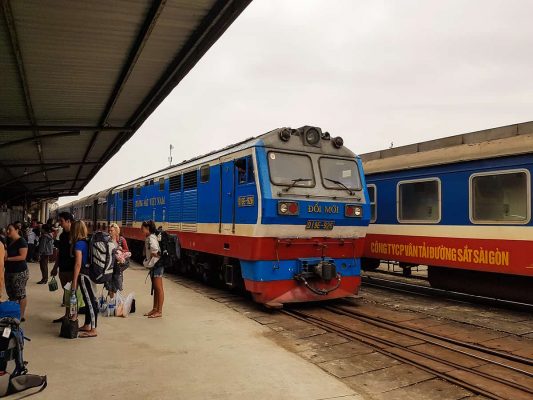
Hanoi To Hue: Train, Bus & Flight Options Compared
Let me tell you exactly how to travel from Hanoi to Hue in Vietnam. Whether [...]

The Best Things To Do In Vietnam Recommended By REAL Travelers
Find out the best things to do in Vietnam for backpackers and travelers! Listed from [...]
19 Comments
My 3 Days In Hanoi Itinerary For First-Time Visitors
Planning on spending 3 days in Hanoi, but not sure what exactly to do? Come [...]
Ha Giang Loop Accommodation: What To Expect From Homestays & Private Rooms
Wondering what Ha Giang Loop accommodation is actually like? After spending 3 nights in homestays [...]

Sapa In February: All You Need To Know (2026)
Find out what Sapa is like in February and about my experience hiking in pretty [...]
10 Comments

Backpacking Ho Chi Minh City (Saigon): My Top Travel Tips
Come check out all you need to know about backpacking Ho Chi Minh City on [...]
1 Comment

Hue To Da Nang: The Cheapest & Best Ways To Travel
If you are exploring the length of Vietnam it is likely you will need to [...]
1 Comment
Scams In Vietnam: READ BEFORE YOU VISIT (2026)
Come find out everything you need to know about common scams in Vietnam. Be a [...]
4 Comments

Backpacking Vietnam: Travel Guide & Tips For First Time Visitors 2026
Get ready for your backpacking Vietnam adventure by finding out all you need to know [...]

Ho Chi Minh City To Phnom Penh: Best Ways To Travel
Traveling from Ho Chi Minh City to Phnom Penh? This guide breaks down the best [...]
3 Comments
Mui Ne To Ho Chi Minh City: Bus, Train, LimoBus Or Taxi?
If you are like me and traveling Vietnam from North to South then you may [...]

Explore Ha Long Bay On A Budget, Vietnam
Choosing a Ha Long Bay Budget Tour One of the most popular things to do [...]
39 Comments

Discovering Lan Ha Bay and Cat Ba Island, Vietnam
Discovering Cat Ong Island and Cat Ba Island in Lan Ha Bay With Ocean Tours [...]
36 Comments

My Vietnam Trip Cost: How Cheap Is Vietnam and My $25 Daily Budget (2026)
Find out exactly how much it will cost to travel Vietnam budget backpacker style and [...]
21 Comments

My Honest Ha Giang Loop Review: Is It Worth It?
Thinking about doing the Ha Giang Loop but wondering whether it really lives up to [...]
My 2 Days In Hue Itinerary: What To Do And Where To Stay
Find out the best 2 days in Hue itinerary to ensure you have the ultimate [...]
Thanh Ha Pottery Village In Hoi An: Best Tips For Visiting
Keen to explore a quieter spot in the bustling city of Hoi An? Well there [...]
1 Comment

3 Weeks In Vietnam: My Complete North To South Itinerary
Come find out the best 3 weeks in Vietnam itinerary for the ultimate trip. We’ll [...]
11 Comments
Staying At Chien Hostel in Hanoi, Vietnam
The Ultimate Hostel in Hanoi’s Old Quarter, Chien Hostel Tucked among the chaotic streets of [...]
38 Comments

Hoi An To Nha Trang: 5 BEST Options Explained
Find out how to travel from Hoi An to Nha Trang while in Vietnam. This [...]
1 Comment

Top Things To Do In Hoi An, Vietnam
Hoi An is an absolutely beautiful area and is very popular with locals or tourists [...]
32 Comments

Is Mui Ne Worth Visiting & BEST Mui Ne Itinerary (2026)
Check out my favorite 2 days in Mui Ne itinerary and find out is Mui [...]
10 Comments

Road Kings Ha Giang Review: My Honest 4-Day Tour Experience
Thinking about booking the Ha Giang Loop with Road Kings but wondering whether it’s worth [...]
2 Comments

Best Cu Chi Tunnels Tours: Cheap vs. Expensive Options Compared
Check out all you need to know when it comes to booking a Cu Chi [...]

3 Day Nha Trang Itinerary & BEST Travel Tips
Find out all you need to know about backpacking Nha Trang and my Nha Trang [...]

How To Travel From Da Nang To Hoi An
Learn how to travel from Da Nang to Hoi An in detail. From the bus, [...]
3 Comments

I’m super glad you had clean restrooms because when I traveled the length of Vietnam on the trains, that was the only thing that really distressed me — and I’m not a clean freak. There were puddles everywhere and the smell… horrid. It was a really odd experience with cabin-mates I didn’t know but both men were polite and one even helped me get food from the trolley. Ran into a man from California traveling with Vietnamese relatives and he shared food and beer during the trip. I’ve heard that the food carts are a great way to get salmonella but I had absolutely zero issues eating from the trolley… still, your advice to pick up food before you go is wise. It was an amazing experience and I can’t wait to do it again…
Is it possible to buy a monthly pass?
Hi Barbara!
Unfortunately I haven’t seen them offering monthly passes. Though I have seen this with sleeper buses offering ‘open tickets’ for any routes over a set period of time
I’m on SE2 from Ho Chi Minh to Hanoi right now, on soft sleeper cabin. Thank you so much for the info you shared here.
Thanks so much for all the valuable insights! We will be travelling as a family of four and will book a sleeper train now that I have read your review!
Hey Jakob!
Yes I love the sleeper train! It will be an awesome experience for your family!
Is it guaranteed that when you book for 4 you end up being in the same sleeper together? Planning on booking for family of 4. Is the price given per person or for the whole 4. I think I saw the price as $108 AD. De Nang to Ninh Binh.
Thanks
Hey Katie
When you book on Baolau which I have linked above it will show you which berths are available on each carriage for the class you are wanting when you click book now. You can then select which beds for each person so you can all be together. If you are wanting a 4 berth for 4 people I recommend booking in advance. They show the price as per person, and are who I book all my train journeys in Vietnam with as it’s just so easy!
Excellent information-I really appreciate it. My husband and I, who are seniors would like a cabin to ourselves (because of snoring), can we book a 4 berth for ourselves (maybe paying for 4 seats?) or should we go through Livitrans or Violette to possibly get a 2 berth?
Well written and comprehensive. Thank you.
Hey Kevin!
Glad you found it helpful!
We are 2 women travelling, would you recommend we buy 2 tickets each for the sleeper so we can have the whole 4 berth sleeper cabin to ourselves? Are the cabins generally full? Thanks
Hey Steph!
This depends on how much you would appreciate your privacy. In general, I have found that the cabins are full on 90% of my journeys.
Hi, thank you so much for your useful article. It’s really great! Can I ask you if you can buy ticket from Ho Chi Minh to Hanoi and any time go out and go in during the way? Thank you again
Hey Katerina, you are best to purchase tickets 2 to 3 days prior to your desired departure date. Though you will still be able to book the day before, but you will have less options of companies available.