
Backpacking Honduras completely surprised me. From the ruins of Copan to the beaches of Roatan, I found it affordable, easy to travel around, and far more backpacker-friendly than I expected.
Honduras is honestly such an underrated country, and I was surprised by how much I enjoyed backpacking here. A lot of travelers seem to head straight for the Bay Islands, but there is so much more to see.
There is a pretty well-trodden backpacking route through Honduras, though it definitely felt a lot quieter than places like Guatemala. Most of the hostels I stayed at only had a handful of other travelers, so if you are solo traveling mainly to meet loads of people, Honduras may feel a little quiet.
I also found that a lot of the backpackers here were more in their late 20s or early 30s and had already traveled quite a bit. It just felt like the kind of place people came to once they were a little more confident traveling and wanted somewhere that felt a bit less touristy.
In this guide, I’ll cover everything you need to know about backpacking Honduras, including costs, entry requirements, transport, accommodation, food, safety, and the best places to visit.
If you’re trying to work out how to piece everything together, my 2 weeks in Honduras itinerary covers the full route, transport, and how long I’d spend in each place.
Backpacking Honduras: My Honest & Realistic Tips For The Best Trip

Honduras At A Glance
Best for: Ruins, jungle, diving, beaches, and getting a little off the usual Central America backpacking route
Suggested time: 2 weeks
Backpacker budget: Around US$40–50 per day, though Roatan can cost more
Currency: Honduran Lempira (HNL)
Language: Spanish
Best time to visit: December to April
Main backpacking route: Copan Ruinas → La Ceiba / Pico Bonito → Roatan
Getting around: Buses, shared shuttles, ferries, and the occasional domestic flight
Overall vibe: Quieter and less touristy than Guatemala, with fewer backpackers around
Is Honduras Good For Backpacking?
Honestly, yes. I found Honduras surprisingly easy to backpack, and there is a pretty simple route through places like Copan Ruinas, Pico Bonito, La Ceiba, and the Bay Islands.
It’s also still pretty affordable, especially on the mainland, and getting around by bus or shared shuttle was easy enough. Roatan is definitely more expensive, but there are still ways to keep costs down.
The main thing I noticed was just how quiet it felt compared to somewhere like Guatemala. Some hostels only had a handful of people staying, so if you are mainly traveling solo to meet heaps of other backpackers, Honduras probably is not the best spot.

Entry Requirements For Honduras
Whether you need a tourist visa for Honduras depends on which passport you’re traveling on. Many nationalities can visit visa-free for up to 90 days, though this doesn’t apply to everyone.
British passport holders currently need to arrange a visa before traveling. You can check the application details on the Honduran embassy’s visa page.
Honduras is part of the CA-4 agreement along with Guatemala, El Salvador, and Nicaragua. Basically, the 90 days is shared between all four countries, so you don’t get a fresh 90 days every time you cross a border.
When I traveled into Honduras overland from Antigua, our bus company also made us complete the Honduras immigration pre-check form before we reached the border. Of course, I had absolutely no idea this existed until I was literally about to get on the bus, so we quickly filled it in and screenshotted everything.
You’ll also need to complete the online customs declaration before entering Honduras and again before you leave. This is a separate form from the immigration pre-check I mentioned above. Once you’ve filled it in, save the QR code on your phone so you have it ready to show customs.
If you’re arriving from Panama or somewhere in South America, you may also need to show proof of yellow fever vaccination, so this is definitely something to double-check before you travel.
Crossing into Honduras by land from Guatemala, El Salvador, or Nicaragua is usually pretty straightforward, though like most border crossings in Central America, it can still take a while if it’s busy.

How Much Does Backpacking Honduras Cost?
Before travel took over my life, I actually spent years studying to become an accountant, so normally I’m pretty good at keeping track of what I spend.
Honduras was a bit of an exception though, mostly because I was slightly scared to know how much all the scuba diving in Roatan was costing me.
The biggest thing to know is that mainland Honduras is a lot cheaper than the Bay Islands. Copan Ruinas was actually one of the cheapest places I visited in Central America, whereas Roatan can quickly get expensive once you start adding in diving, tours, and island prices.
As a rough guide, I’d budget around US$40–50 per day for backpacking Honduras if you’re staying in budget accommodation, eating locally, and using buses or shared transport.
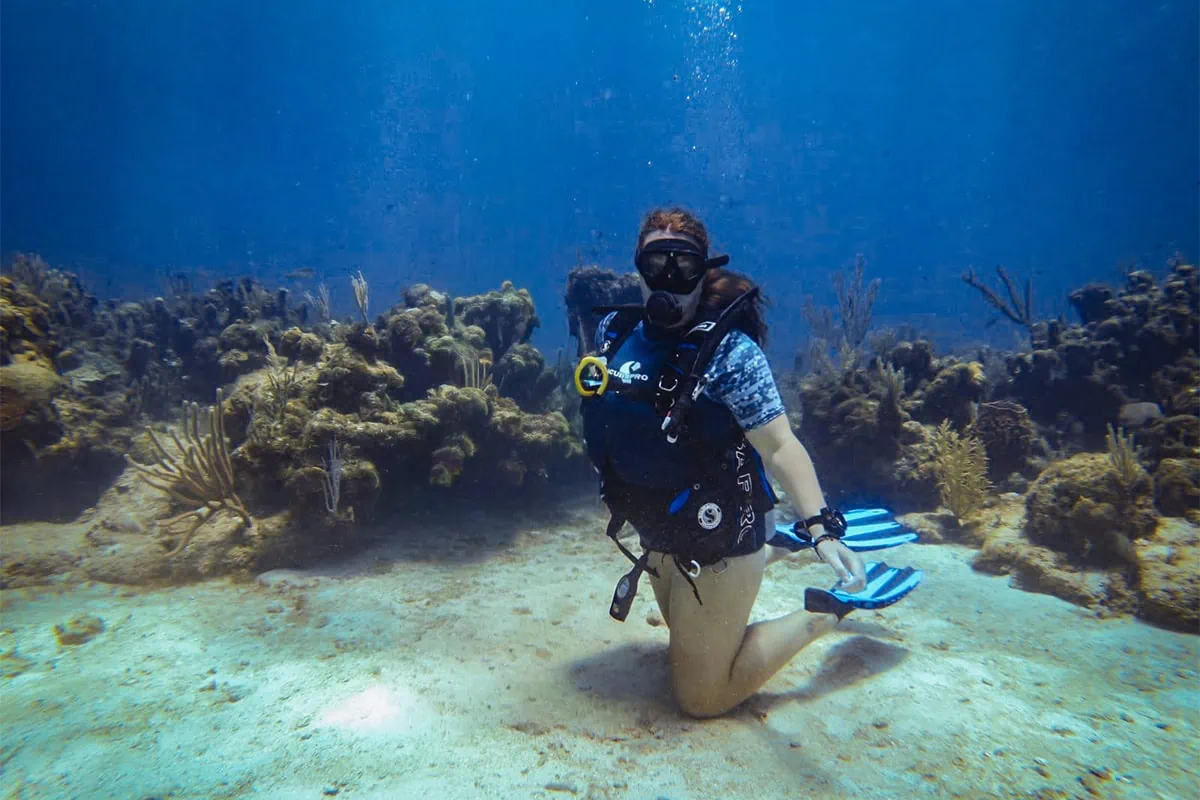
If you’re planning to learn to dive, I’d budget for that separately rather than trying to squeeze it into your daily spend. We did our PADI Open Water course and quite a few fun dives, which was easily one of our biggest expenses.
For a full breakdown of accommodation, food, transport, activities, and what I actually spent, check out my Honduras travel budget.
Best Time To Visit Honduras
The best time to visit Honduras is during the dry season from December to April. You’ll usually have better weather around this time, especially if you’re planning to spend time in places like Copan Ruinas, Pico Bonito, or the Bay Islands.
That said, I wouldn’t completely rule out the rest of the year. The wetter season usually runs from around May or June through November, but that doesn’t mean it’ll rain nonstop every day.
If you’re heading to Roatan or Utila for diving, you can still get good conditions throughout much of the year. Utila is also known for whale shark sightings, though of course there’s never any guarantee you’ll actually see one.
The main thing I’d keep in mind is hurricane season from June through November, especially if you’re planning to spend time on the Caribbean coast or Bay Islands. If you’re visiting around then, just keep your plans a little flexible and check the forecast as you go.
Is Honduras Safe For Backpackers?
Honduras definitely has a bit of a reputation when it comes to safety, and it’s something I was aware of before visiting. That said, I personally didn’t have any issues while backpacking around the country and felt comfortable in the places I visited.
Most backpackers tend to stick to places like Copan Ruinas, Pico Bonito, La Ceiba, and the Bay Islands, rather than randomly exploring everywhere. I’d also recommend being a bit more careful with transport, avoiding walking around alone at night, and keeping valuables out of sight.
Crime is still a serious issue in Honduras, and there are parts of the country where travel advisories recommend against visiting altogether, so it’s worth checking the latest advice before your trip.
For me, Honduras felt a lot less scary once I was actually there. I wouldn’t say you should ignore the risks, but I also wouldn’t let the country’s reputation automatically put you off visiting.

Getting Around Honduras
Getting around Honduras isn’t particularly fancy, but it’s honestly pretty straightforward once you know your options.
There are no trains, so most backpackers will end up using a mix of buses, shared shuttles, ferries, and maybe the odd flight.
Fly: Flying can save you a lot of time, especially if you’re heading to the Bay Islands. Domestic flights connect places like San Pedro Sula, Tegucigalpa, La Ceiba, and Roatán, though obviously this is usually the more expensive option.
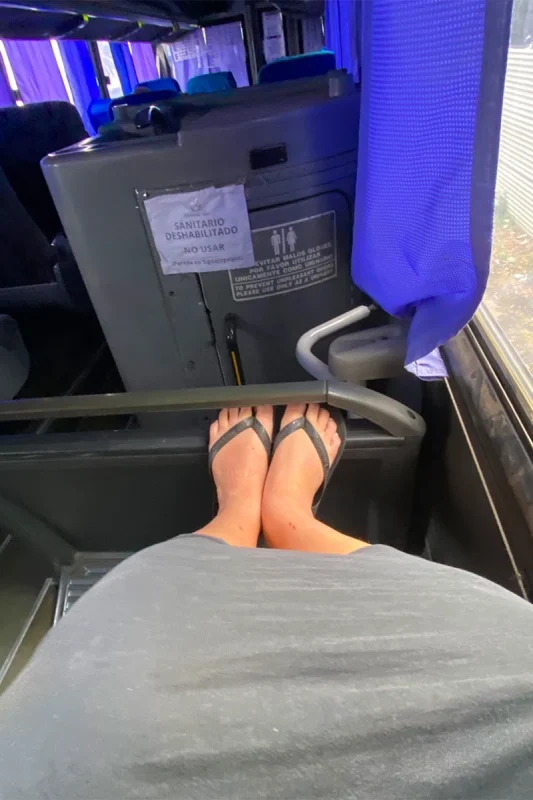
Shuttle: Shared tourist shuttles are probably the easiest option if you want something more comfortable than a local bus. They connect a lot of the main backpacker stops and are especially handy for longer journeys or border crossings. I’d usually book these through my accommodation or directly with the shuttle company.
Bus: Buses are generally the cheapest way to travel around Honduras and connect most major towns and cities. You’ll find everything from basic local buses through to more comfortable long-distance services, so what you get really depends on the route.
Ferry: If you’re heading to the Bay Islands, you’ll most likely take a ferry from La Ceiba. There are daily services to Roatán and Utila, and this is how most backpackers reach the islands.
We took the ferry between La Ceiba and Roatan, though I later ended up flying back to the mainland because I really wasn’t keen to do that boat journey again.

Where To Stay In Honduras
You’ll find a decent mix of budget accommodation in Honduras, though there definitely aren’t as many hostels as you’ll find in places like Guatemala.
In some towns, I found guesthouses or simple hotels were actually the better option anyway.
Hostels: These are still the obvious choice if you’re traveling solo and want to meet other backpackers, though don’t expect them to be packed. A lot of the hostels I stayed at only had a handful of other people around.
Guesthouses: Guesthouses are really common and can be great value, especially if you’re traveling as a couple or with a friend. Sometimes a private room works out just slightly more than paying for two dorm beds.
Hotels: Budget hotels are also worth checking, especially in smaller towns where hostel options are limited. I found Honduras pretty good for affordable private rooms on the mainland.
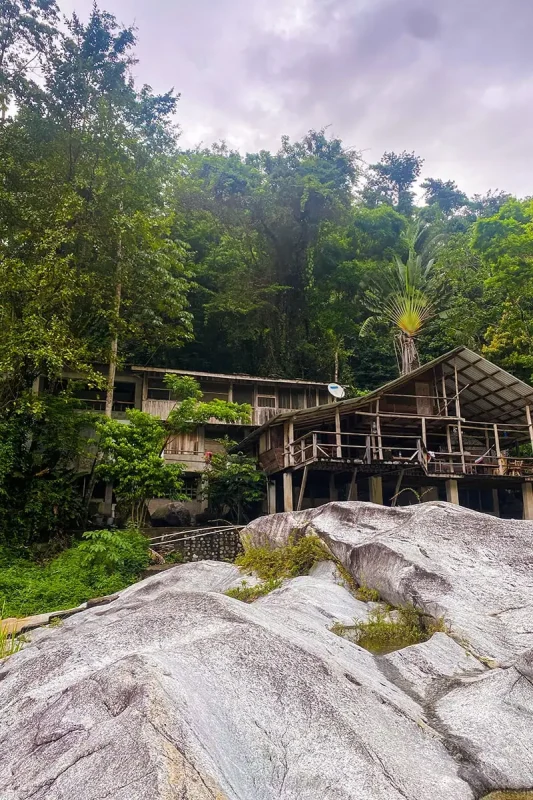
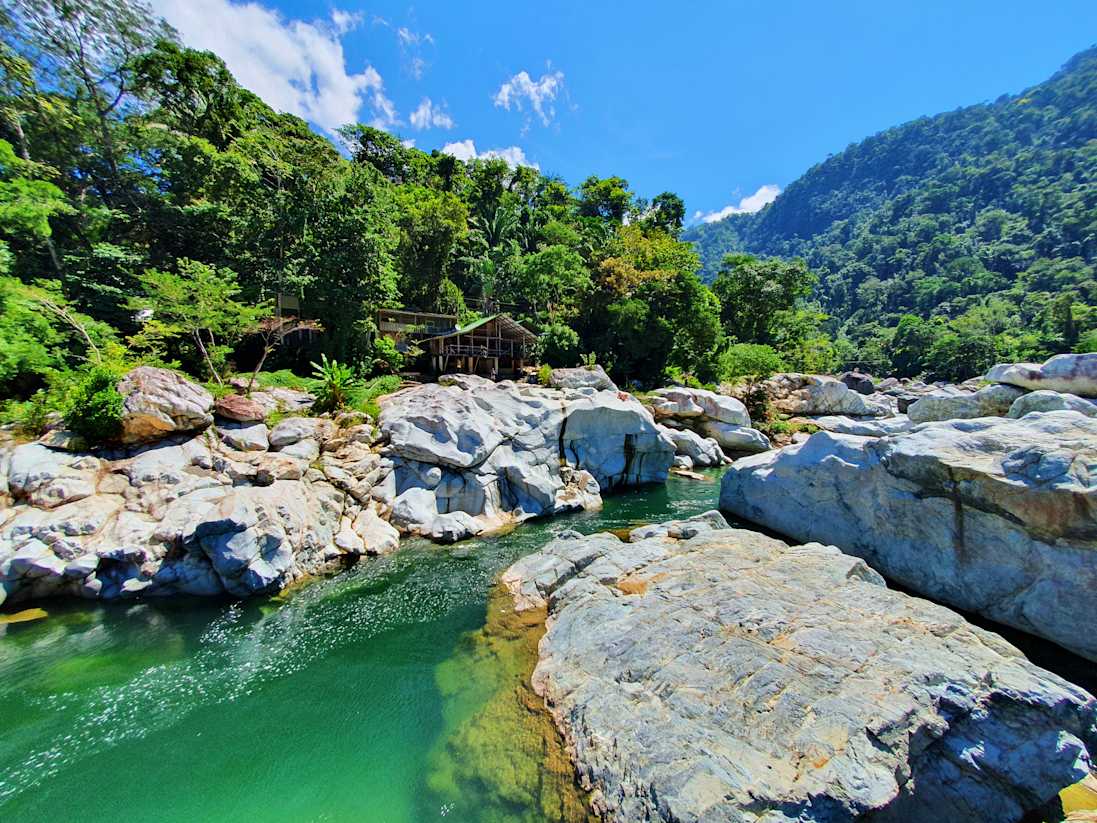
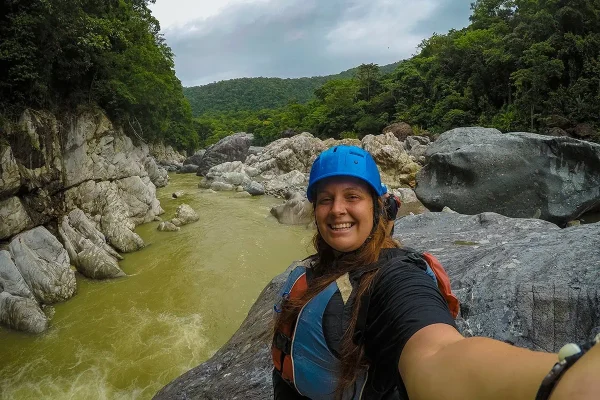
Lodges: If you’re heading somewhere like Pico Bonito or the Cangrejal River, staying in a lodge is definitely worth considering. We stayed right by the river and it made it super easy to organize activities like hiking and rafting without having to travel back and forth from La Ceiba.
Accommodation does get noticeably more expensive once you reach the Bay Islands, especially Roatan, so I’d expect your average nightly spend to jump once you leave the mainland.

Food & Drink In Honduras
I actually found eating in Honduras really easy, even as a fussy vegetarian. In places like Copan Ruinas, Roatan, and Utila you’ll find a good mix of local food as well as things like Mexican, Italian, vegan, and international restaurants.
If you want to eat cheaply, local food is definitely the way to go. A typical meal usually comes with rice, beans, tortillas, salad, and some kind of meat or seafood, though I never had much trouble asking for a vegetarian version.
The one thing you absolutely need to try is a baleada. These are thick flour tortillas filled with refried beans and usually cheese and sour cream, with extras like egg or avocado if you want them. They’re cheap, filling, and honestly perfect when you’re backpacking on a budget.
You’ll also come across things like tamales, Honduran enchiladas, fried plantain, and plenty of seafood around the coast and Bay Islands.



Money, SIM Cards & Internet In Honduras
Money and staying connected in Honduras are both pretty straightforward, though there are a few things worth knowing before you arrive.
You’ll mainly be using cash, especially on the mainland, while SIM cards and WiFi are easy enough to sort once you’re there.
Money In Honduras
The currency in Honduras is the Honduran lempira (HNL), and this is what you’ll use for most everyday purchases.
I’d definitely recommend carrying some cash with you, especially for buses, local restaurants, smaller guesthouses, and places outside the main tourist areas. Cards are accepted in plenty of hotels, restaurants, and dive shops, particularly in places like Roatan, but I wouldn’t rely on them everywhere.
ATMs are easy enough to find in the main towns and tourist areas, though I’d always withdraw before heading somewhere more remote. We also surprisingly found PayPal was accepted in quite a few places, especially for tours and activities.
You can check the latest exchange rate here before your trip.
Internet Access In Honduras
I found the internet in Honduras pretty decent overall, especially along the main backpacker route. Most hostels, hotels, and cafes had WiFi, and I didn’t have any major issues staying connected.
The only place I struggled a little was in Pico Bonito National Park, where we only had WiFi in the common area of our lodge rather than in our room. Luckily my mobile data still worked, so I could at least scroll from the comfort of my bed.
If you’re heading somewhere more remote, I definitely wouldn’t expect perfect WiFi, which is another reason having a local SIM or eSIM can be handy.
Buying A SIM Card In Honduras
If you want mobile data while traveling around Honduras, getting a local SIM is pretty easy. The two main networks are Tigo and Claro, and both offer prepaid plans.
You’ll obviously need an unlocked phone, but once that’s sorted it’s a handy option, especially if you’re heading somewhere with patchy WiFi.
You can also use an eSIM if your phone supports one, which saves you having to buy a physical SIM when you arrive. This is my go to nowdays since it’s just too easy, although a bit more pricey than a local SIM.

🚗 How I Book Cheap Transport In Honduras: GuateGo
Best Places To Visit In Honduras
Honduras has a really good mix of places to visit, and I think that’s part of what made me enjoy backpacking here so much. You’ve got everything from Mayan ruins and jungle to Caribbean islands, beaches, diving, and smaller towns that still feel pretty laid-back.
These are the places I’d recommend adding to your Honduras itinerary.
Copan Ruinas
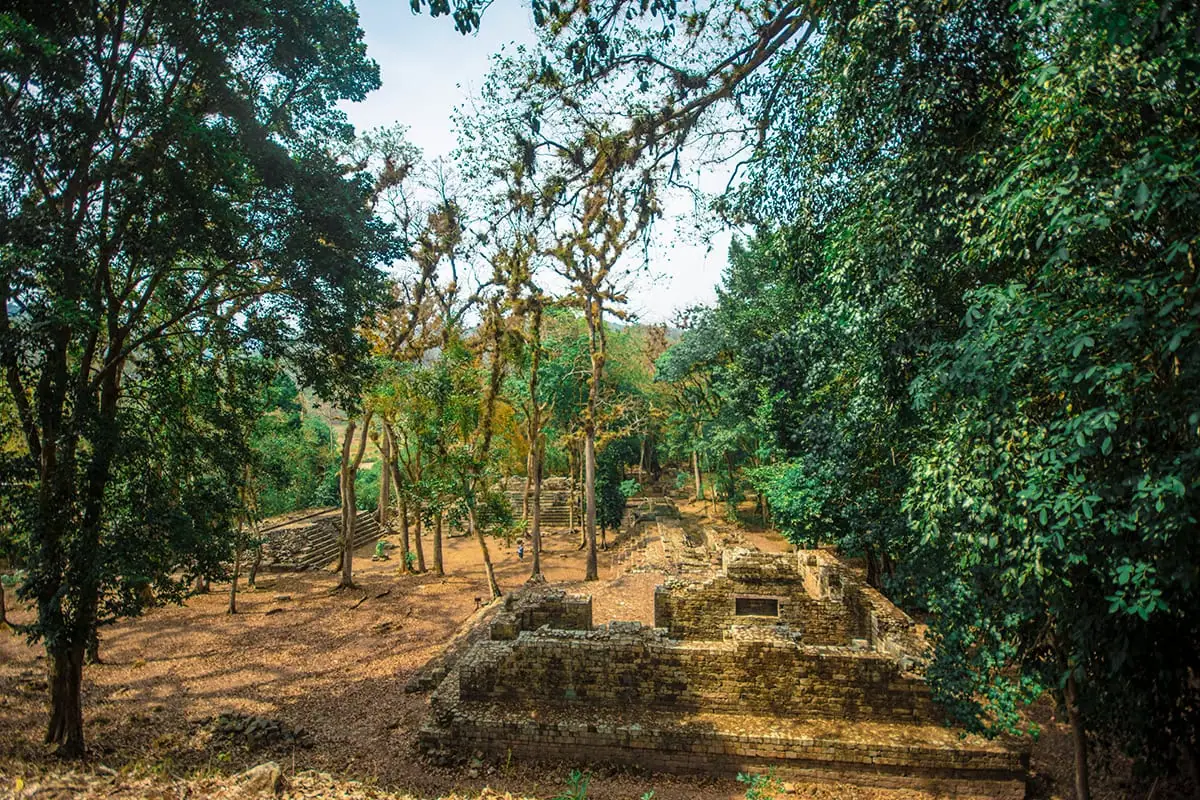
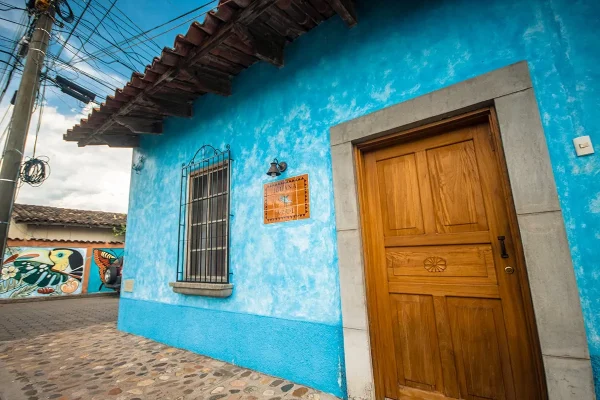
Copan Ruinas was easily one of my favorite stops in Honduras. It’s a small town near the Guatemala border and is best known for the Copan Ruins, which are one of the most impressive Maya sites in the country.
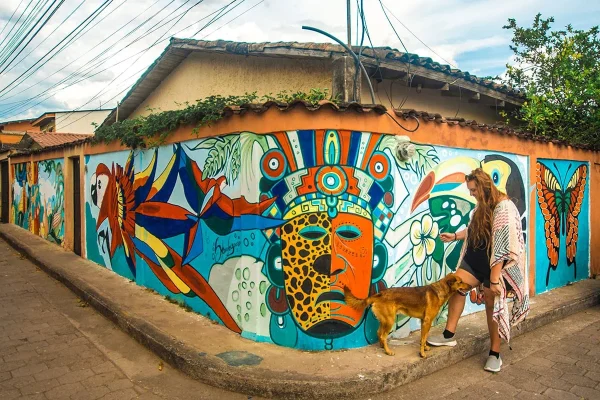
The town itself is really easy to like as well, with cobblestone streets, plenty of restaurants, and a pretty relaxed vibe.
You can also visit places like Macaw Mountain, which is a great option if you’re interested in birds and wildlife.
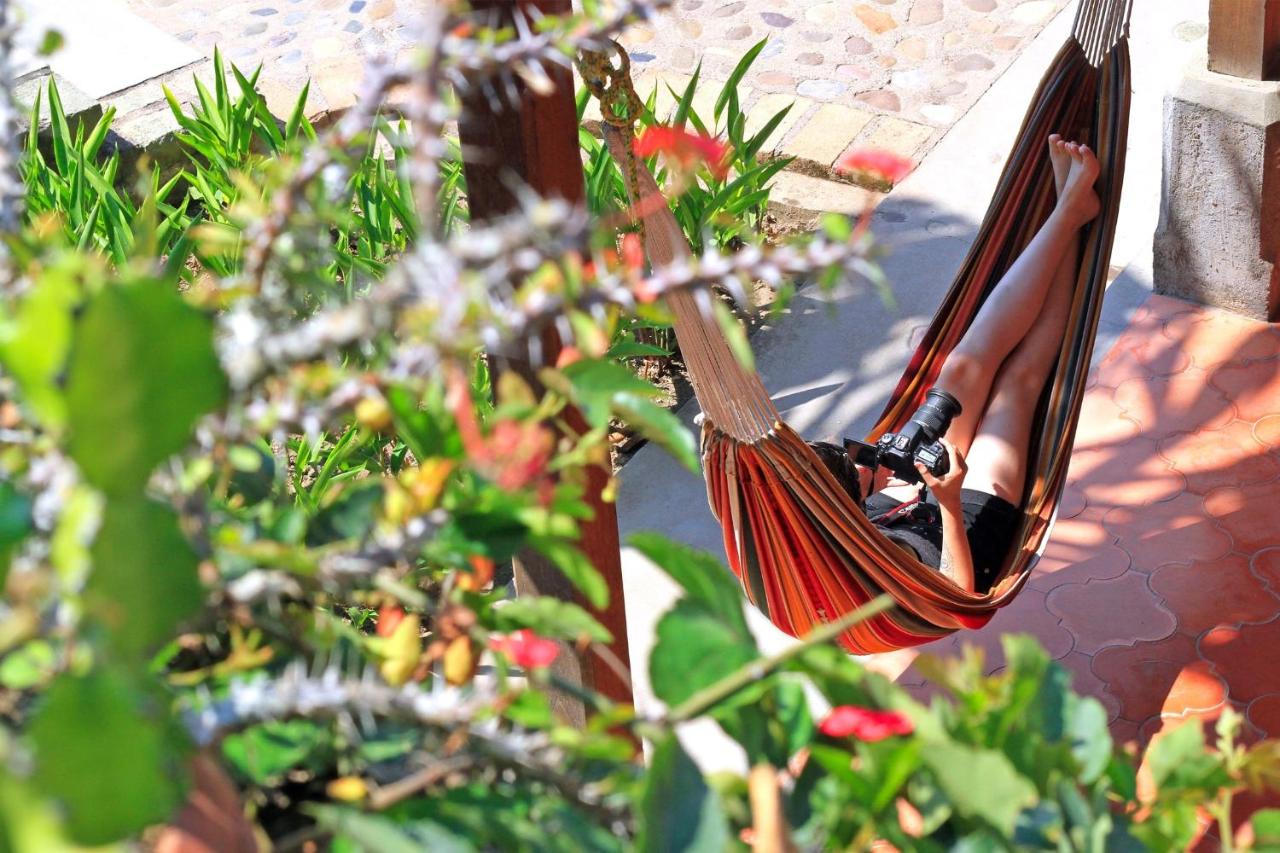
I stayed at Hostel Iguana Azul, though I booked one of their private rooms rather than a dorm. It was basic, with a shared bathroom and fan, but really affordable and a good option for backpackers.
If you’re planning to stay a few days, my backpacking Copan Ruinas guide covers where to stay, things to do, transport, and costs. Then if you’re continuing east, I’ve also broken down how to travel from Copan Ruinas to La Ceiba
 My favorite choice for an affordable option. Dorm rooms start from $12.00 per night and private $22.00 per night. BOOK NOW |  Another affordable choice close to the town center. Private rooms start from $21.00 per night with a shared bathroom. BOOK NOW |
 La Casa de Cafe Bed And Breakfast This is the fancy sister property of Iguana Azul. It’s super nice and rooms start from $70.00 per night. BOOK NOW |  A centrally located b&b with excellent views to the nearby park. Rooms start from $27.00 per night. BOOK NOW |


La Ceiba / Pico Bonito National Park
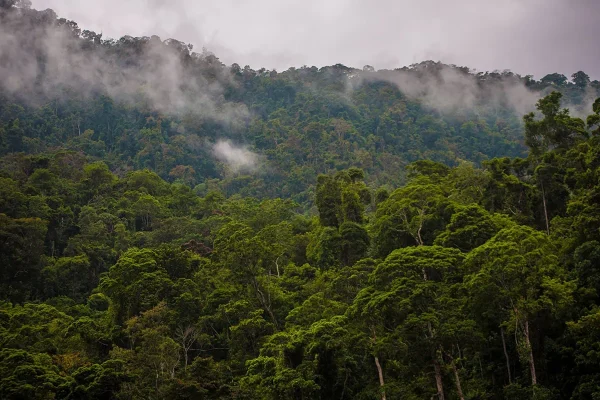
La Ceiba is a common stop on the Honduras backpacking route, though a lot of people only stay one night before heading over to the Bay Islands. If you’ve got a little more time, I’d definitely recommend heading out toward Pico Bonito National Park instead of just staying in the city.
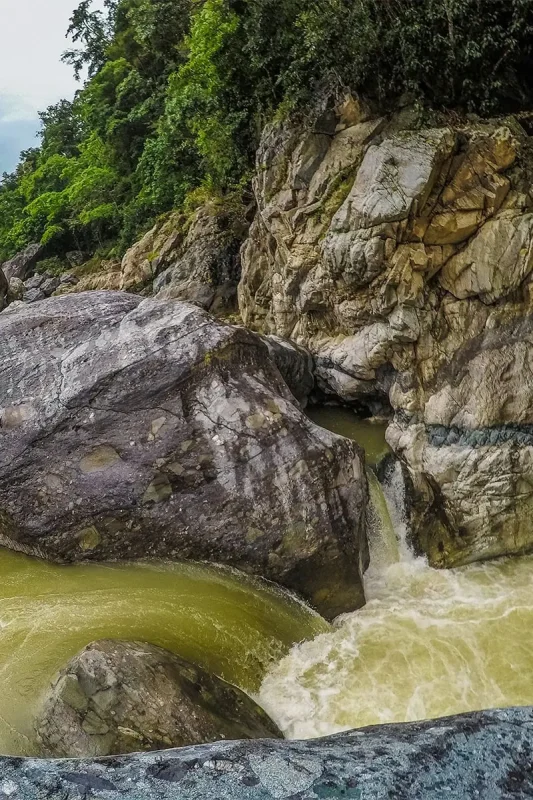
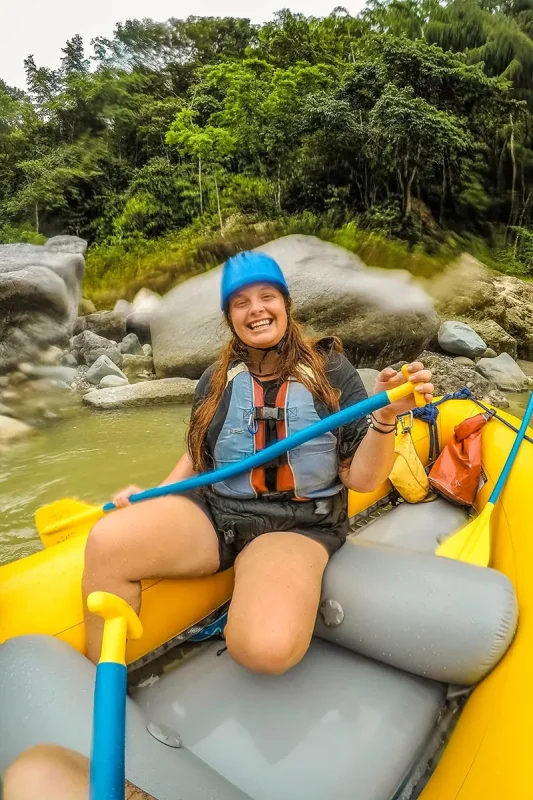
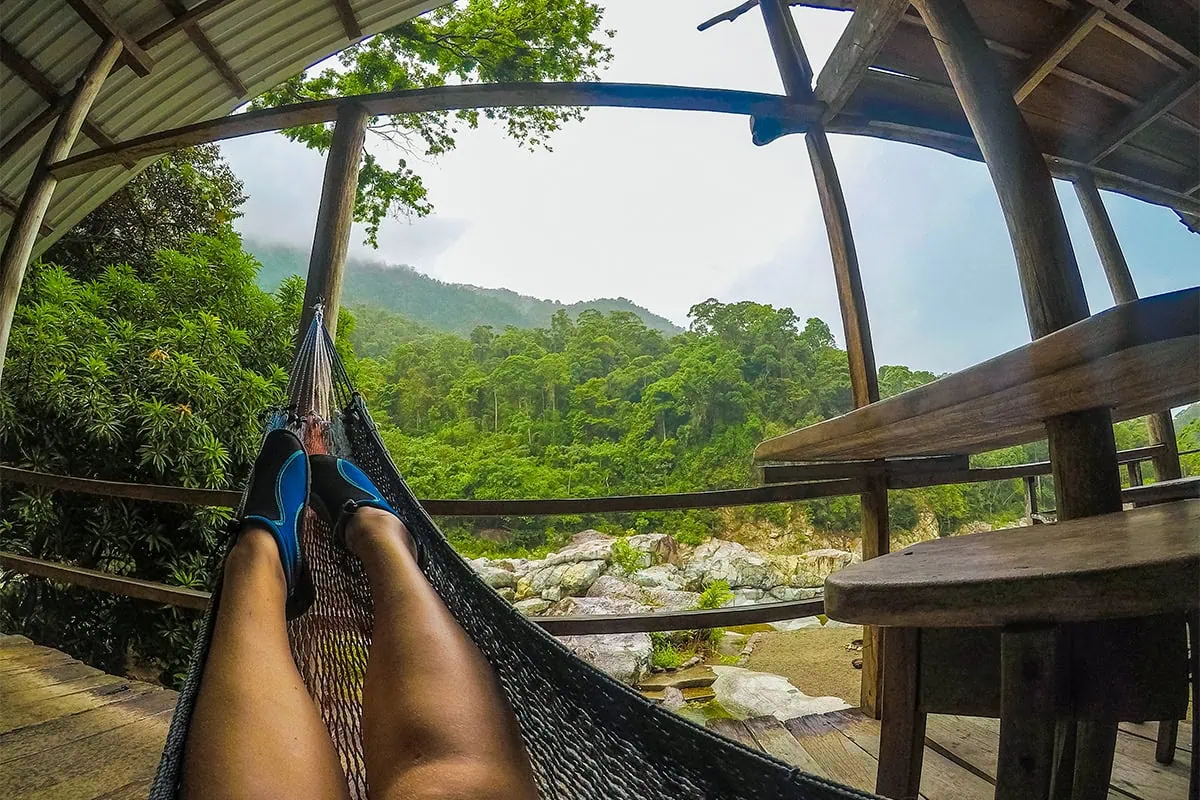
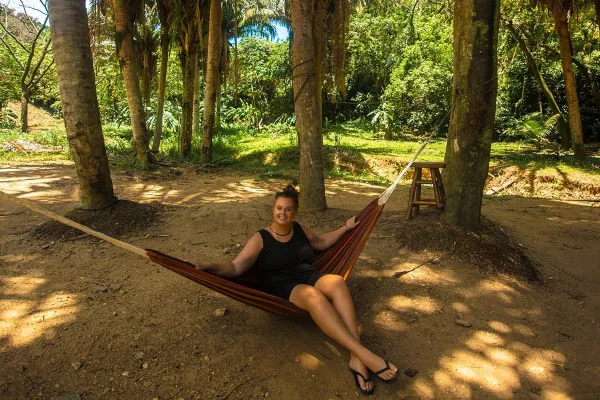
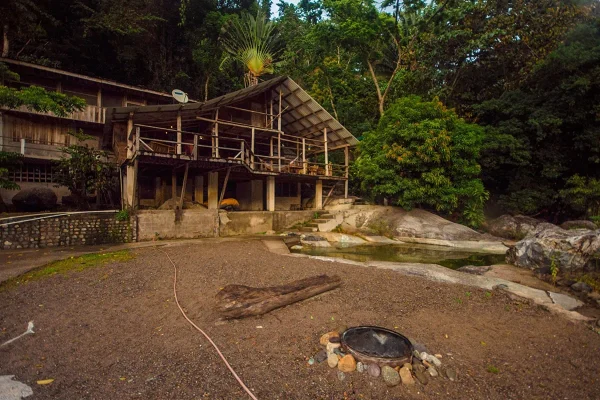
I stayed at Jungle River Lodge, right beside the Cangrejal River, and this ended up being one of my favorite stays in Honduras. It was surprisingly affordable, and there were heaps of things to do nearby including hiking, waterfalls, and white water rafting.
If you’re just passing through, one night in La Ceiba is probably enough. But if you want a bit more nature and adventure, I’d spend a couple of nights around Pico Bonito before heading to the islands.
If you’re heading to the islands next, here’s exactly how to get from La Ceiba to Roatan.
 A hostel stay right on the river in Pico Bonito National Park. Dorms start at $19.00 per night. BOOK NOW | 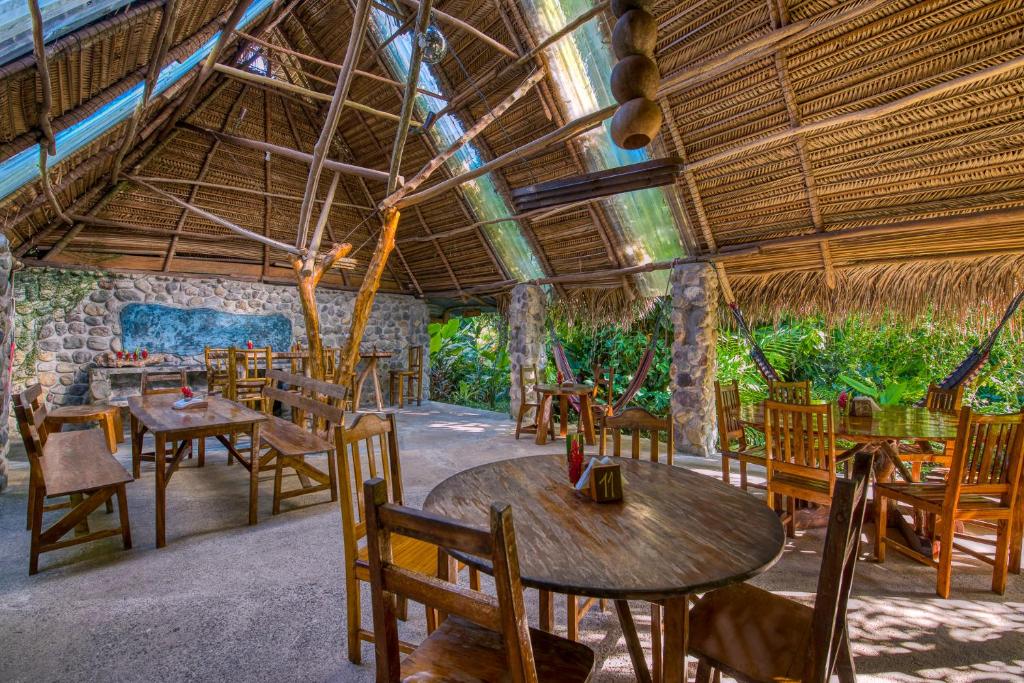 More of a luxury stay in Pico Bonito National Park. Rooms here start at $80.00 per night for a private room. BOOK NOW |  A basic and affordable hotel in the town of La Ceiba. Private rooms here start at $26.00 per night. BOOK NOW |  A clean and comfortable hotel that even has a shuttle to the ferry. Prices start from $80.00 per night including breakfast. BOOK NOW |
Utila, Bay Islands
Utila is one of the Bay Islands and is especially popular with backpackers who want to learn to dive without spending a fortune. It’s generally cheaper than Roatan and has a much more backpacker-focused vibe, with plenty of dive shops, bars, and budget accommodation.
One of the big reasons people head here is the diving. A lot of dive schools offer accommodation packages alongside their courses, which can make doing your PADI Open Water surprisingly affordable.
I didn’t actually visit Utila myself, as we ended up spending our island time on Roatan instead. But if your main goal in Honduras is cheap diving and meeting other backpackers, Utila is definitely worth looking into.
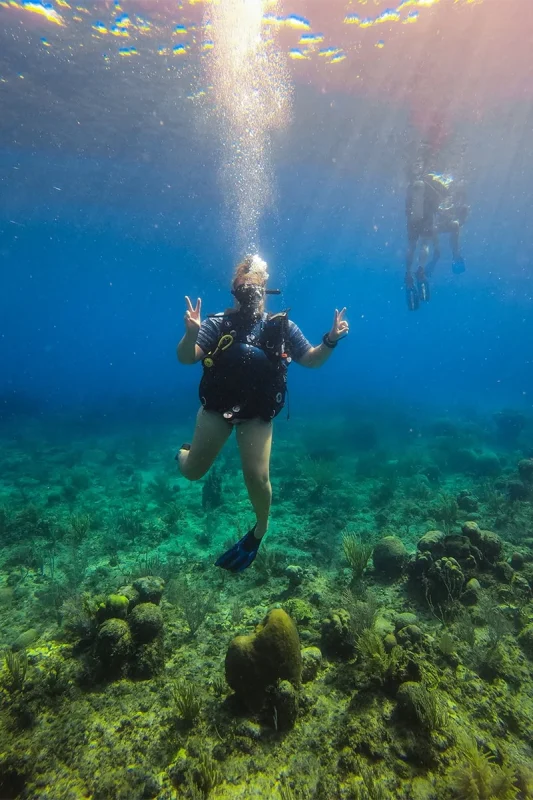
We did our own PADI Open Water course in Roatan, and learning to dive ended up being one of the best things I did there.

Roatan, Bay Islands
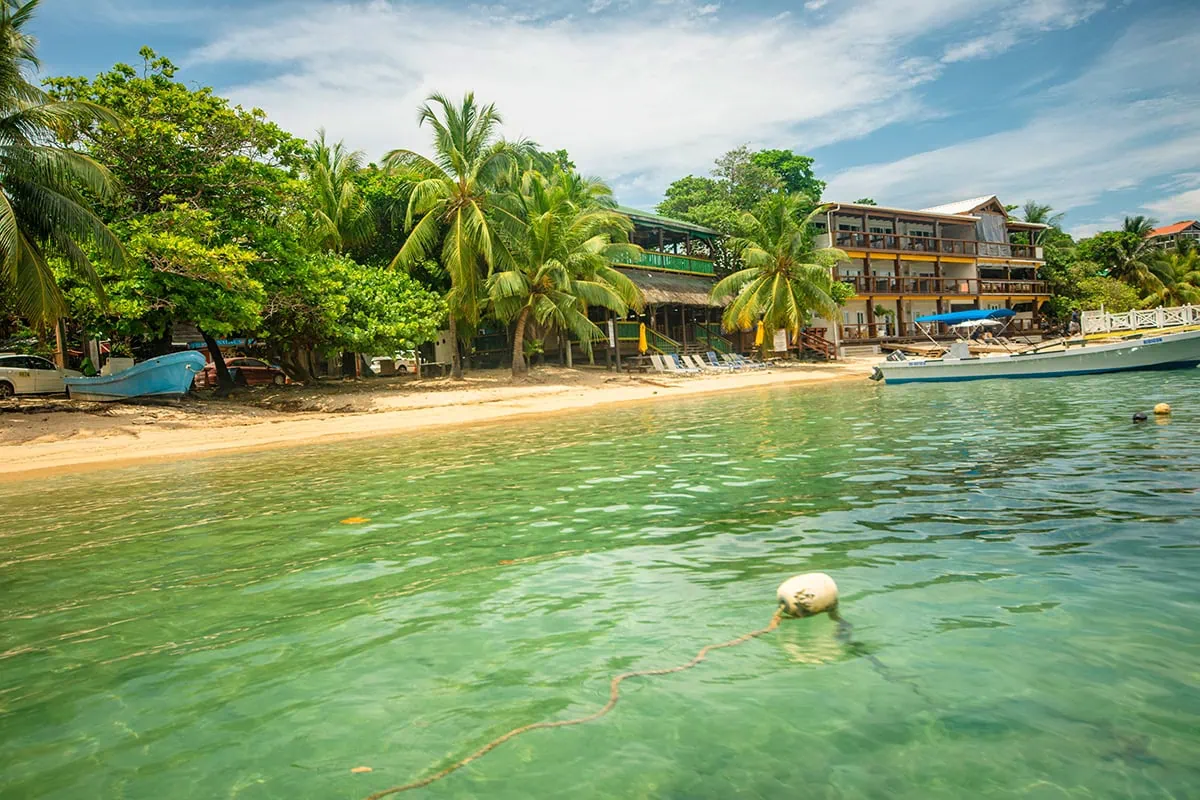
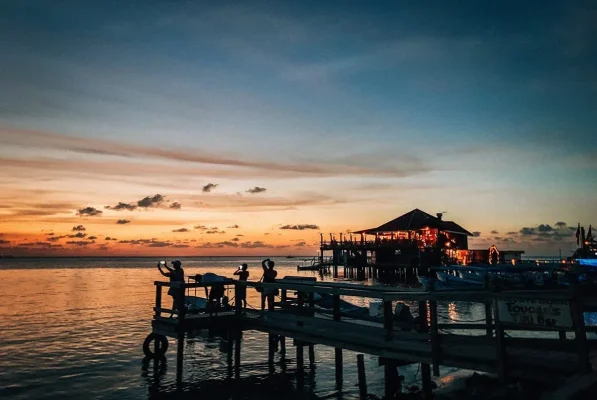
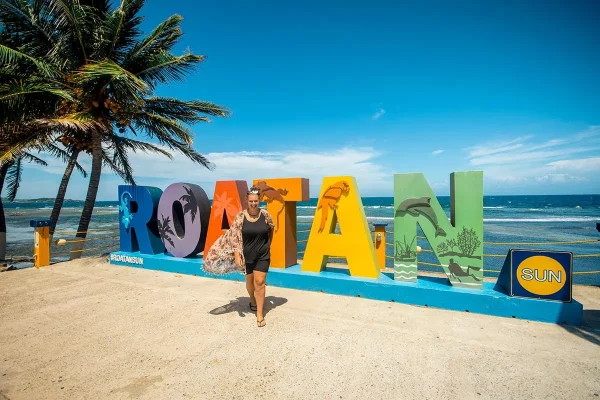
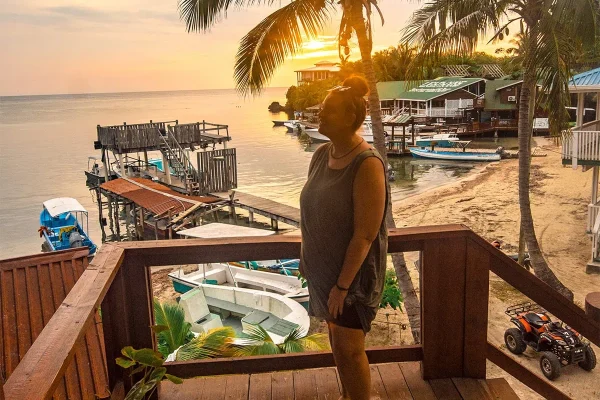
Roatan was easily one of the biggest highlights of my time in Honduras, and we ended up staying for nearly two weeks. It’s the largest of the Bay Islands and is known for its beaches, diving, and snorkeling.
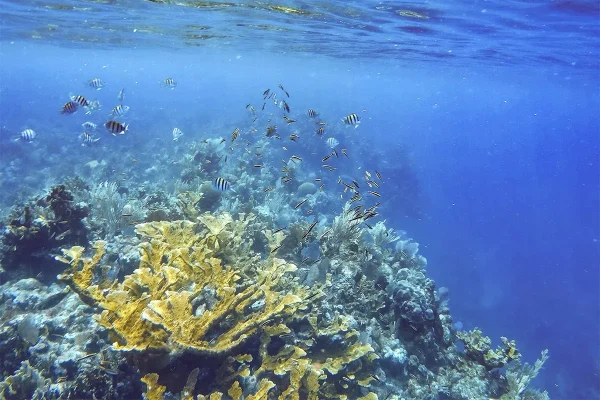
There’s heaps to do here, but learning to scuba dive in Roatan was easily one of my favorite experiences. We also spent time snorkeling the Blue Channel, checking out some of the best beaches in Roatan, and just taking things a lot slower after traveling around the mainland.
One thing I do want to mention is that Roatan has a lot of animal tourism. You’ll see everything from captive dolphins to sloths being used for photos, and personally, I chose not to support any of these activities.
If you’re planning a few days here, my backpacking Roatan guide covers where to stay, transport, costs, and everything else you need to know, while my things to do in Roatan guide has plenty more ideas.
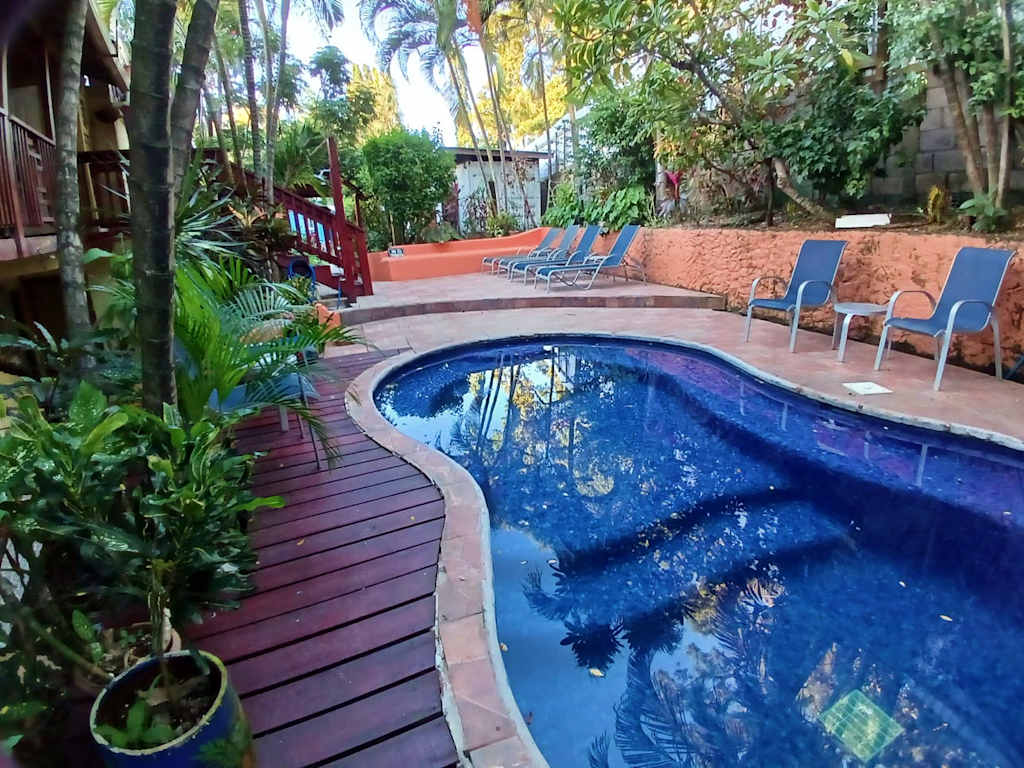 One of the few hostels on the island. Rooms start from $14.00 for a dorm and $20.00 for a private. BOOK NOW |  Across the road from the beach in more of a quiet location. Single and double rooms start at $55.00. BOOK NOW |
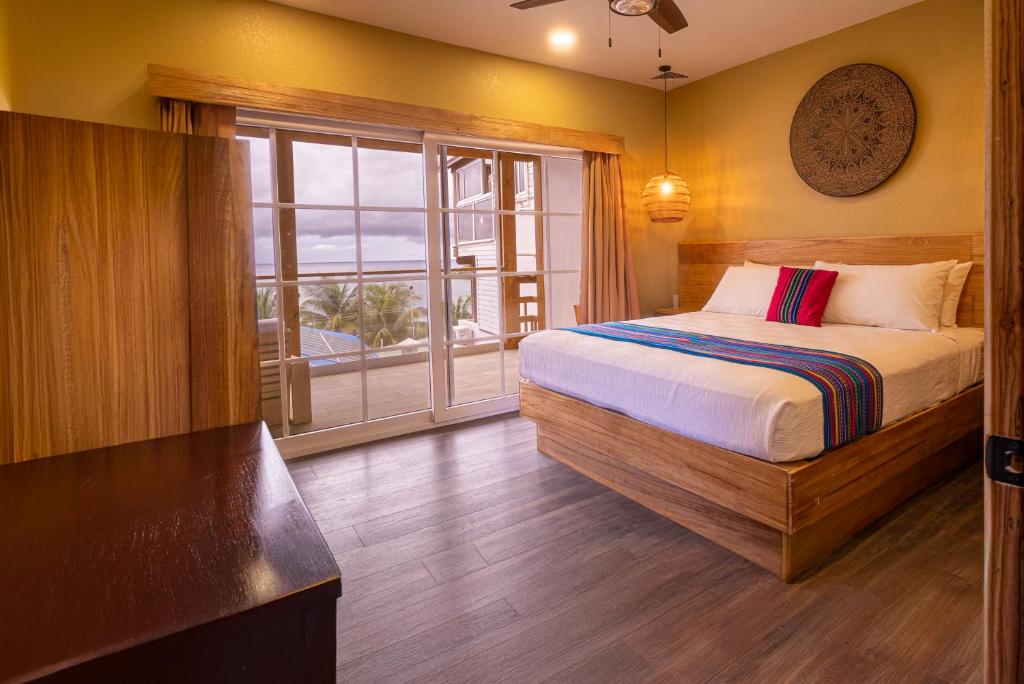 A lovely hotel in Half Moon Bay. Private rooms here start at $100.00 per night. BOOK NOW | 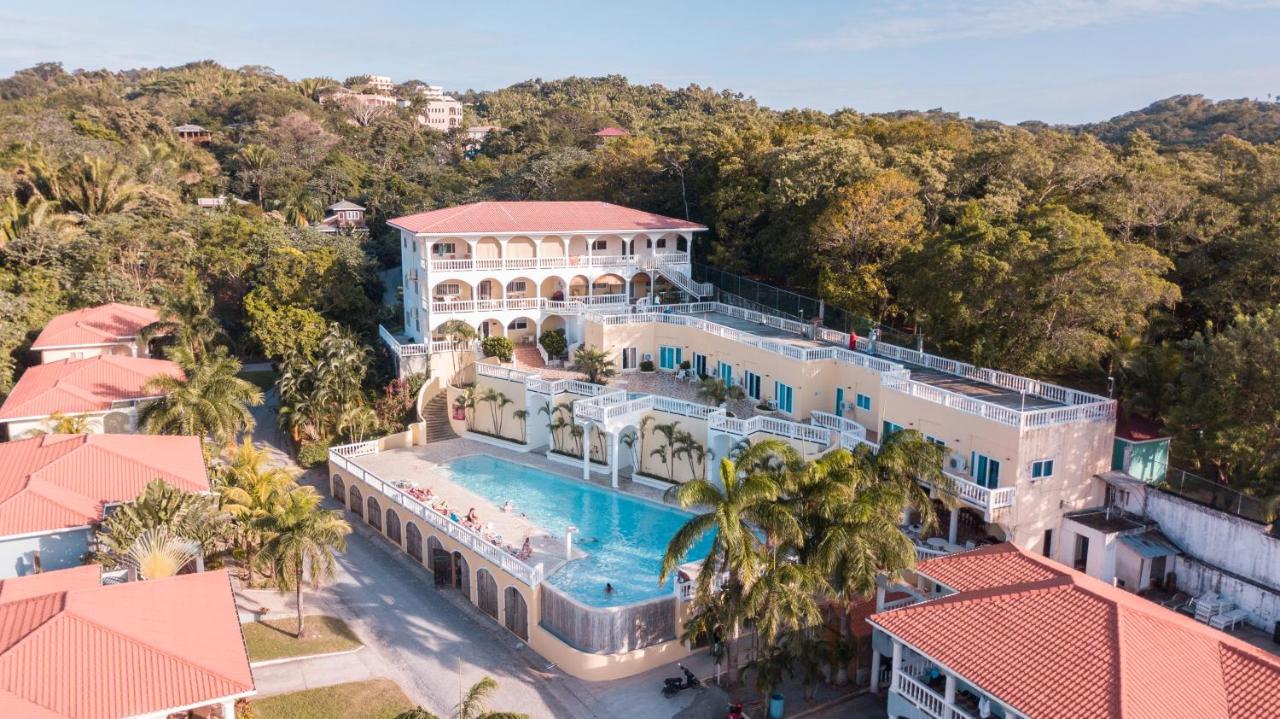 A slightly dated resort in a good location. Prices start from $80.00 per night. BOOK NOW |


Lago de Yojoa
Lago de Yojoa is another popular stop on the Honduras backpacking route, especially if you want somewhere a bit more chilled between the bigger destinations. It’s the largest natural lake in Honduras and is surrounded by mountains, waterfalls, hiking trails, and plenty of birdlife.
A lot of backpackers base themselves around the lake to go kayaking, hiking, visit nearby waterfalls, or simply have a few slower days.
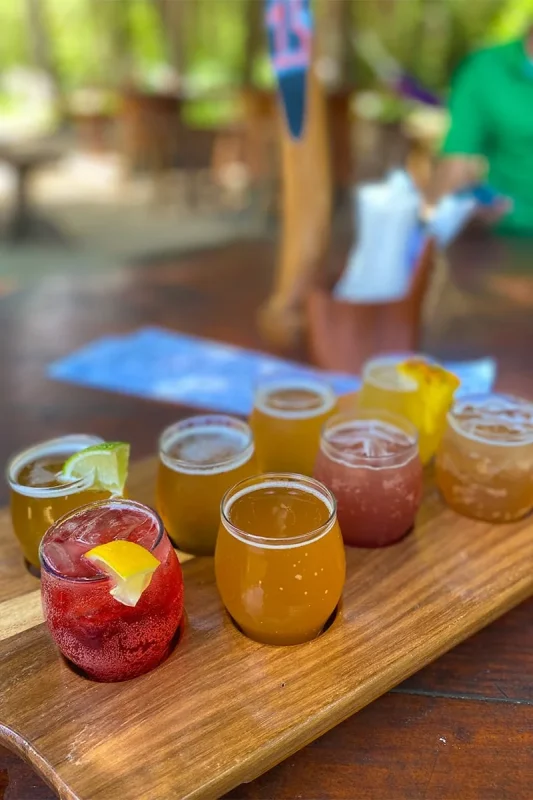
The best-known backpacker stay here is D&D Brewery, which has become a bit of a staple on the Honduras backpacking route.
I didn’t actually make it to Lago de Yojoa myself, but it’s one of the places I’d seriously consider adding if I had more time in Honduras. It can also work well as a stop between the north of the country and Nicaragua.

My Recommended Honduras Backpacking Route
If I was backpacking Honduras again, I’d keep the route pretty simple and focus on Copan Ruinas → Pico Bonito / La Ceiba → Roatan or Utila.
If you’ve got a little more time, you could also add Lago de Yojoa between Copán and La Ceiba. It’s a popular backpacker stop, though getting there can make the journey a little more complicated if you’re relying on local buses.
With around two weeks, I’d spend 2 to 3 nights in Copan Ruinas, 2 to 3 nights around Pico Bonito, and then the rest of your time on the Bay Islands. If you add Lago de Yojoa, I’d allow another couple of nights rather than trying to squeeze everything in.
For the full route, transport options, and how long I’d spend in each place, check out my 2 weeks in Honduras itinerary.
FAQs About Backpacking Honduras
How many days do you need in Honduras?
I’d recommend around 2 weeks in Honduras if you want to see a good mix of the mainland and Bay Islands without rushing. This gives you enough time for places like Copan Ruinas, Pico Bonito, and Roatan or Utila, with a little flexibility for travel days.
Is Honduras good for solo backpackers?
Honduras can be good for solo backpackers, but I wouldn’t choose it purely for the social scene. I found hostels pretty quiet compared to places like Guatemala, and there were definitely fewer travelers around.
Can you backpack Honduras without a car?
Yes, you can easily backpack Honduras without renting a car. I got around using a mix of buses, shared shuttles, ferries, and the occasional flight, and never felt like having a car was necessary.
Is Roatan or Utila better for backpackers?
If you’re mainly looking for cheap diving and a more social backpacker scene, Utila is probably the better choice. Roatan is generally more expensive, but I found there was a lot more to do outside of diving, with better beaches, snorkeling, and a wider mix of accommodation.
Wrap Up: Backpacking Honduras
Honduras ended up being one of those countries I enjoyed way more than I expected. It’s affordable, easy enough to get around, and has such a good mix of ruins, jungle, adventure, beaches, and diving.
It definitely feels quieter than some other parts of Central America, but that was part of the appeal for me. If you’re happy with somewhere a little less touristy and don’t mind a slower backpacking scene, I think Honduras is absolutely worth adding to your trip.
Hopefully this guide has helped you plan your own Honduras adventure, whether you’re heading straight for the Bay Islands or taking the time to explore more of the mainland as well.
Any Questions? Let me know in the comments!
LIKE IT? PIN IT!

Disclaimer: This post contains affiliate links. So, if you click on it and purchase something, I get a small percentage at no extra cost to you. As always, all opinions are my own, and your support is much appreciated.
Related Posts
Best Things To Do In Copan Ruinas: Ruins, Macaws & More
Looking for the best things to do in Copan Ruinas? The Maya ruins are an [...]
Backpacking Copan Ruinas: My Complete Travel Guide
Planning on backpacking Copan Ruinas, Honduras? After spending three nights exploring the town and unexpectedly [...]
Backpacking Honduras: The Ultimate Travel Guide
Backpacking Honduras completely surprised me. From the ruins of Copan to the beaches of Roatan, [...]
2 Weeks In Honduras Itinerary: My Recommended Route
Planning 2 weeks in Honduras and want to see both the mainland and the islands? [...]
Backpacking Roatan On A Budget: My Complete Travel Guide
Looking for the best hostels in Roatan? I’ll share my honest experience with the island’s [...]
How To Get From Copan Ruinas To La Ceiba (2026)
Traveling from Copan Ruinas to La Ceiba is a full day journey, taking you to [...]
White Water Rafting In La Ceiba: My Experience On The Cangrejal River
I only ended up white water rafting in La Ceiba after booking a stay at [...]
19 Best Things To Do In Roatan, Honduras: 2026 Guide
Looking for the best things to do in Roatan? From learning to scuba dive and [...]
Snorkeling The Blue Channel In Roatan: My Honest Experience
I saw plenty of fish and even eagle rays while snorkeling the Blue Channel in [...]
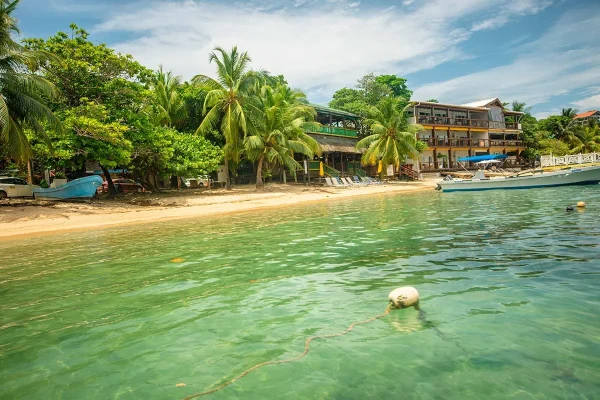
Cost To Travel Honduras: What Should You Budget?
Keen to visit Honduras but not sure how much to save? I’ll help you work [...]
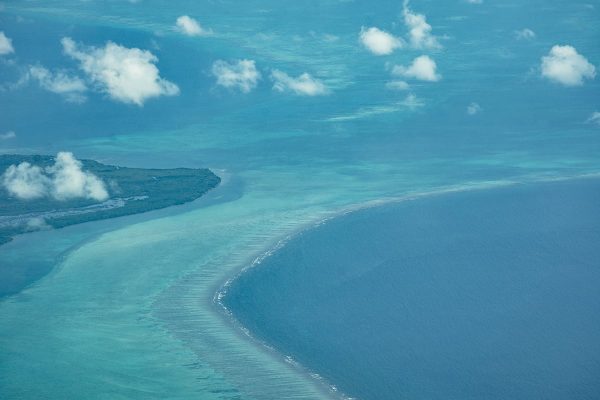
Roatan To Belize: The BEST Scenic Commercial Flight
If you are an ocean lover and perhaps are thinking of taking a scenic flight, [...]
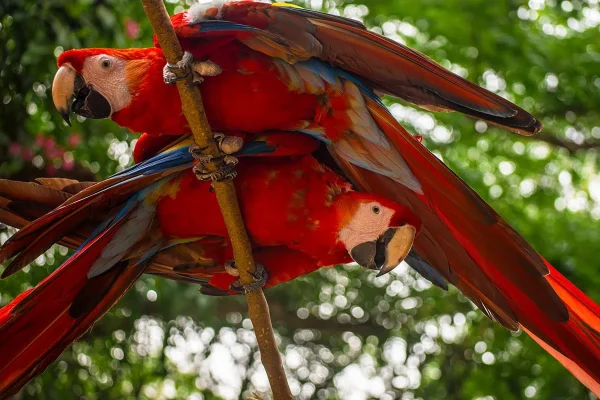
Macaw Mountain Copan Ruinas: Prices, Hours & My Experience
Visiting Macaw Mountain was one of the highlights of my time in Copan Ruinas. In [...]
2 Comments
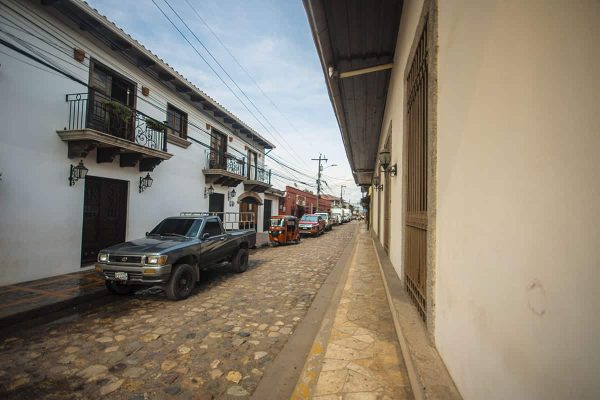
Antigua To Copan Ruinas: How To Travel From Guatemala To Honduras
If you want to travel from Guatemala to Honduras, come find out exactly how to [...]
6 Comments
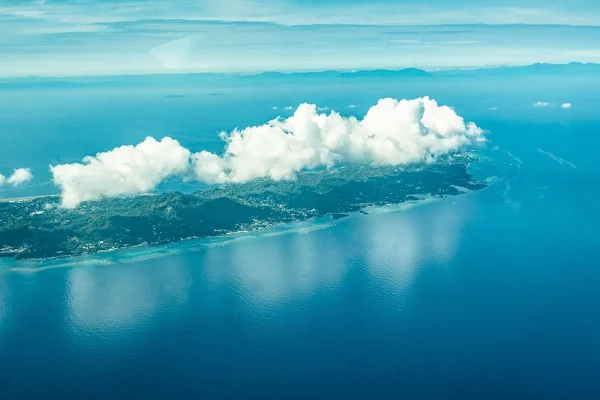
La Ceiba To Roatan: Ferry Schedules, Prices & Flights (2026)
Planning to travel from La Ceiba to Roatan? I’ll break down the current ferry schedules, [...]
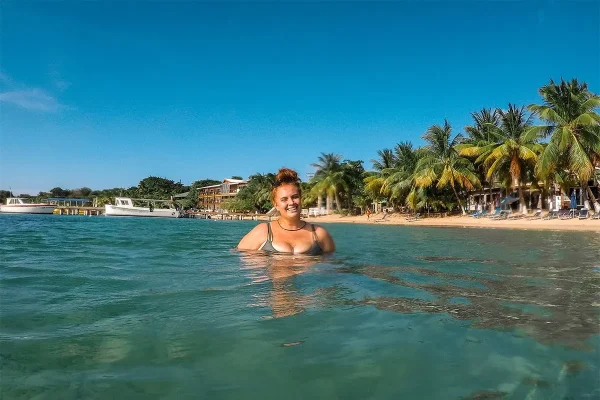
Best Beaches In Roatan: Where To Swim & Snorkel (2026)
Want to know which of Roatan’s beaches are worth your time? Half Moon Bay was [...]
2 Comments
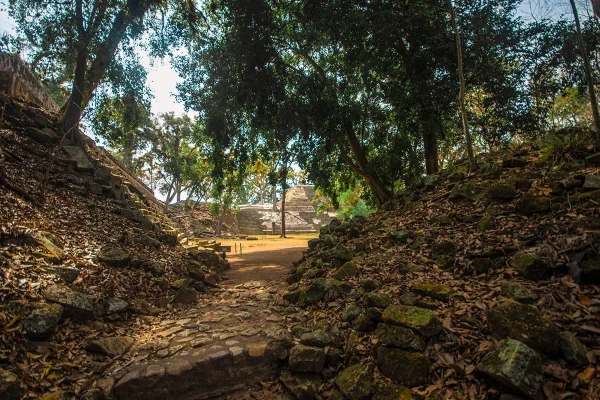
Visiting The Copan Mayan Ruins: My Complete Guide
If you’re visiting Copan Ruinas, chances are the famous Copan Mayan Ruins are the main [...]
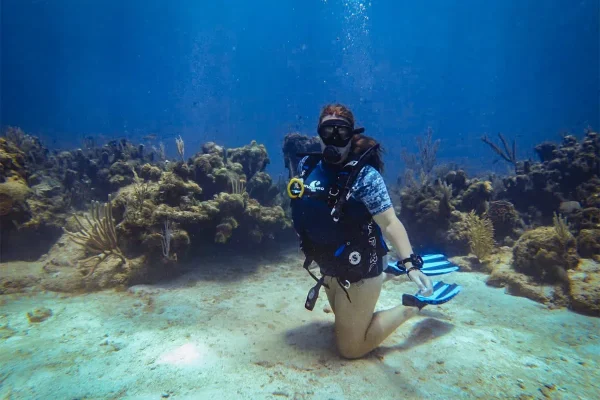
Learn To Dive In Roatan: My PADI Open Water Experience & Costs
Thinking about learning to dive in Roatan? I got my PADI Open Water certification here, [...]
Best Hostels In La Ceiba For Budget Backpackers 2026
Looking for the best hostels in La Ceiba? Whether you’re stopping overnight before heading to [...]
Honduras vs Belize: Which Is Better for Travelers?
Honduras vs Belize might look like an easy choice, but once you consider costs, safety, [...]
Pico Bonito National Park: Everything You Need To Know
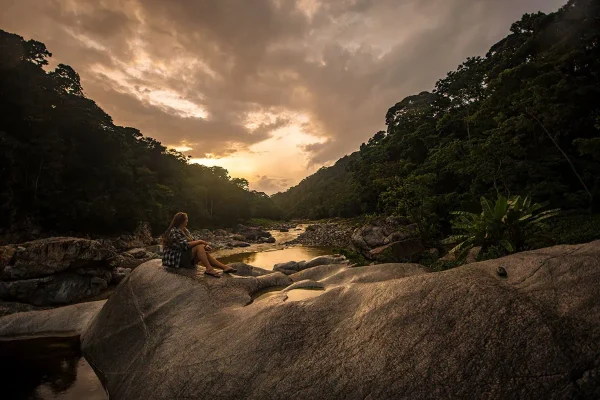
Just outside La Ceiba, Pico Bonito National Park ended up being one of my favorite [...]
