
Trying to choose between Sapa and Ha Giang? From nice hotels and mountain cafes to dusty days on the loop, here’s my honest take on which I’d choose after visiting both!
Choosing Sapa vs Ha Giang will depend a lot on what you want from your time in northern Vietnam.
After visiting both, I’d choose Sapa for a more comfortable mountain holiday where you can enjoy modern comforts and Ha Giang for an adventure that pushes you a little outside your comfort zone!
Sapa has plenty of hotels, restaurants and amenities in and around the main town, so you’ve got a lot of choice over how you spend your days. Though my February visit was freezing, wet and foggy, which meant muddy trekking paths and missing out on those beautiful mountain views I’d been hoping for.
In Ha Giang, I spent four days doing the loop with Road Kings, staying in homestays and exploring with our group and Easy Riders. There were long days on the bike and a seriously sore bum, though it became one of my favorite experiences in Vietnam.
Honestly, Ha Giang would be my pick if I could only choose one. I’d happily do it again, though if you have enough time for both, I’d recommend it. They felt very different to me.
Below, I’ll compare Sapa and Ha Giang for scenery, activities, costs, comfort, and travel time, with my own experiences to help you decide which fits your trip.
Sapa VS Ha Giang: Which Is Best For Your Trip?


Quick Answer: Should You Visit Sapa Or Ha Giang?
| Details | Sapa | Ha Giang Loop |
|---|---|---|
| Best For | A mountain break with plenty of choice over your accommodation, meals and plans | A multi-day adventure exploring with an Easy Rider or tour group |
| Main Experiences | Trekking, village walks and exploring in and around town | Mountain roads, viewpoints, caves, swimming stops and traveling between towns |
| Accommodation | Hotels in town or homestays in the surrounding villages | Homestays, guesthouses and small hotels along the route |
| Food | Plenty of restaurant choices in the main town | Local restaurants and shared group meals |
| Daily Pace | More flexibility to plan busy days or take things slowly | Moving between overnight stops, with several hours on the bike each day |
| Meeting People | Depends on your accommodation and whether you join activities | My small group tour made it super easy to connect with other travelers |
| Time I’d Allow | At least three nights | Three to four nights on the loop, plus an extra night in Ha Giang City before departure |

Landscapes And Things To Do
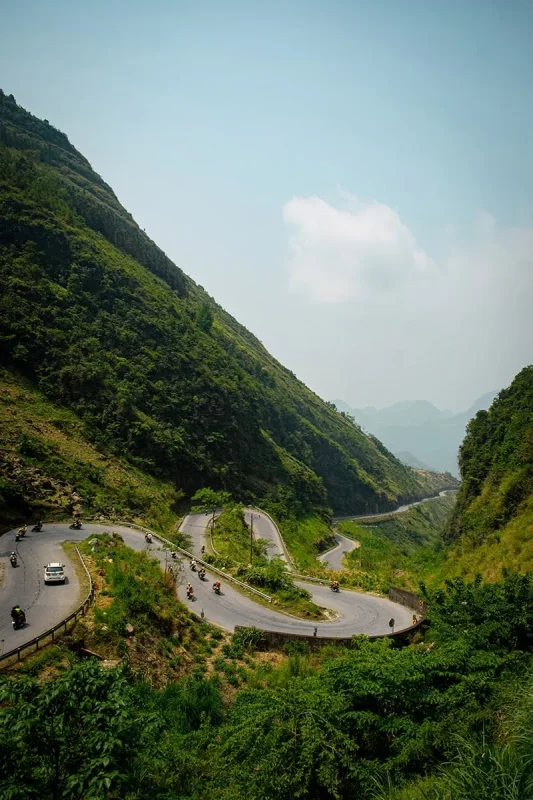
In Sapa, you can settle into one place and head out exploring each day. On the Ha Giang Loop, getting between your overnight stops is a massive part of the experience!
Though you’ll find yourself constantly packing and unpacking.
Sapa
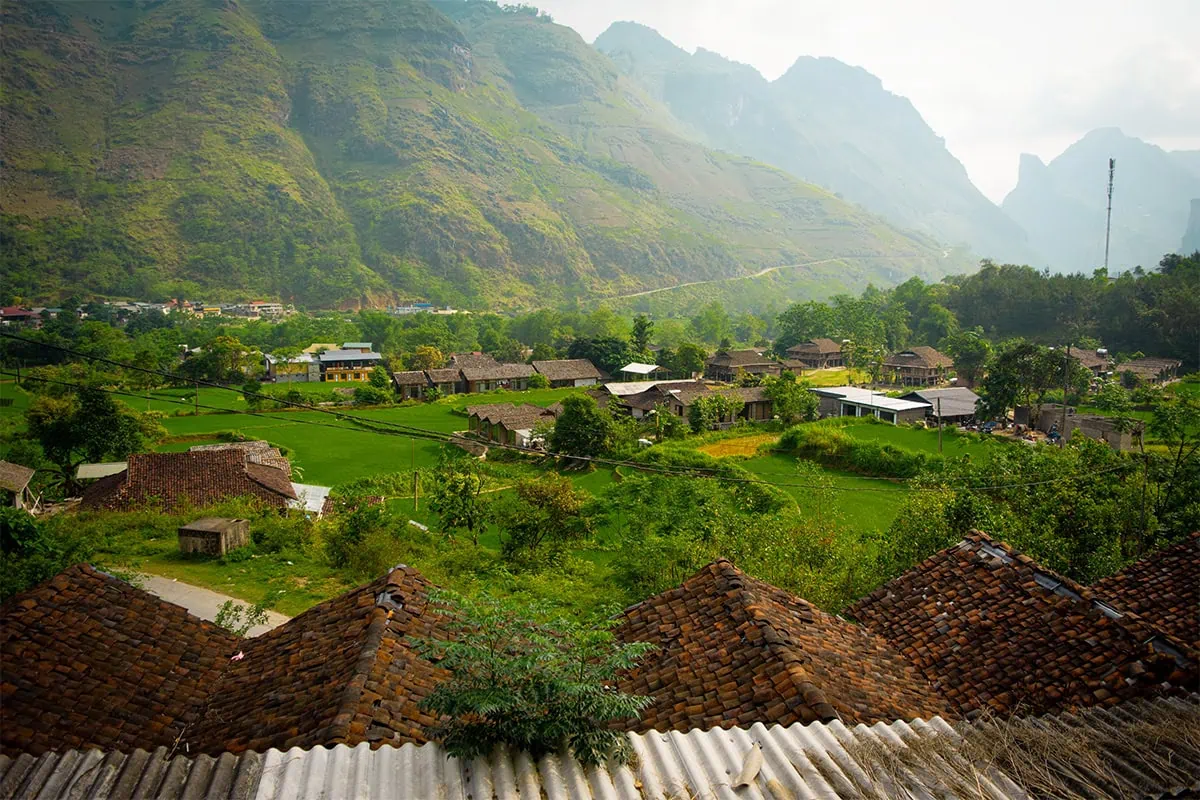
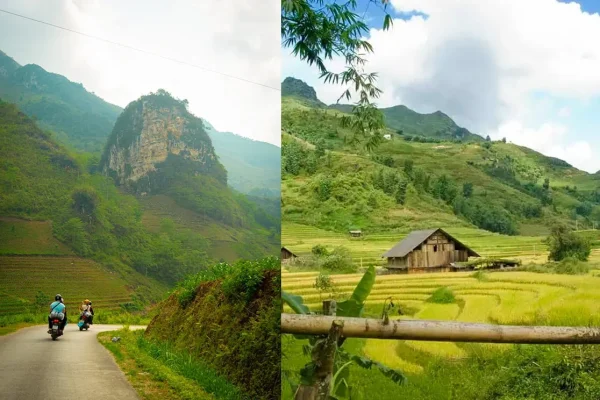
Sapa is known for its rice terraces, mountain valleys and villages, with trekking being one of the main reasons people visit.
You can spend your days walking through the countryside, stopping in villages and staying in a homestay outside town. There’s also the Fansipan cable car if you’re keen to head higher into the mountains.
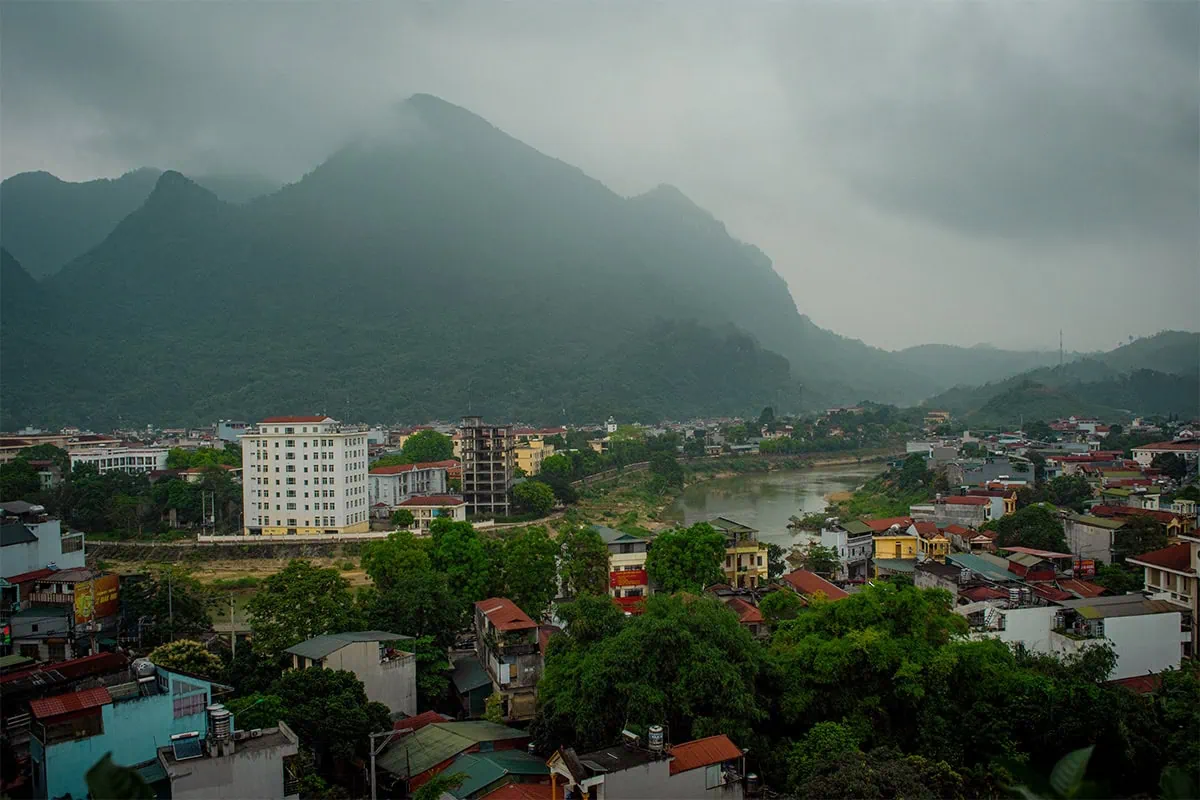
I stayed in Ta Van as well as Sapa town and hiked around. Staying outside town gave us more time in the countryside, while being in town made heading out for a meal much easier.
Though I do need to be honest about my February visit: it was freezing, wet, and foggy. We missed out on the beautiful views I’d hoped for, and the trekking paths were muddy. The time of year and conditions definitely shaped my experience here.
If you’re wondering how to fit it all in, my 3 days in Sapa itinerary covers Fansipan, trekking and a night in Ta Van!

Ha Giang
With Ha Giang, you’ll need to travel beyond the city to reach the landscapes people come here for.
Along the loop, you’ll find limestone mountains, winding passes and deep valleys, with Ma Pi Leng Pass overlooking the Nho Que River being one of the highlights.
What I loved was having so much to look at between the stops. We’d get back on the bike after a coffee break or viewpoint, and there would be another ridiculous mountain view around the corner!
Our loop also included swimming at Du Gia Waterfall, exploring caves, hiking the Ma Pi Leng Skywalk and taking a boat ride on the Nho Que River. So there was plenty to break up those long days on the motorbike.
For me, that mix made Ha Giang pretty special. I’d choose Sapa if walking through rice terraces was a big priority, while Ha Giang would be my pick for a full on road trip with lots of different stops along the way.
Basically, Ha Giang isn’t a relaxing holiday, whereas Sapa very much can be.

Accommodation, Food And Overall Comfort
Now, I’m all for a bit of adventure, though I still appreciate a comfortable room and a decent meal at the end of the day!
Sapa gives you more choice over both, while on our Ha Giang tour, the accommodation and meals were already sorted for us.
Sapa
Sapa would be my pick if you want a comfortable base with plenty of hotels and restaurants to choose from. You can plan a busy day out, then come back, have a good shower, and head somewhere different for dinner.
Though where you stay makes a difference. I did both a homestay in Ta Van and a budget hotel in Sapa town. In Ta Van, breakfast was included, and we could join a shared family dinner at the homestay. Staying in town made choosing somewhere to eat much easier.
Personally, I like having that choice, especially as a vegetarian. During my stay, I ate everything from banh mi to pizza and pasta, so it was easy enough to mix things up!

Ha Giang
On the Ha Giang Loop, your accommodation depends a lot on your tour package. We booked private rooms with Road Kings, and honestly, they were much nicer than I’d expected.
Check out my guide to accommodation on the Ha Giang loop for more info about the homestays.
We had our own bathroom, hot water, AC, and WiFi at each stay. Our final room in Dong Van was particularly spacious, and I would’ve happily stayed longer!
Meals were arranged for us as well, usually with shared plates of rice, vegetables, tofu, and meat dishes for everyone else. I’d told Road Kings I was vegetarian beforehand, and our leader made sure I knew what I could eat.
After four days of shared meals, I was pretty ready to choose my own dinner! My guide to where to eat in Ha Giang covers local restaurants, cafes, and a few spots for those Western favorites you might be craving after the loop.


How Physically Demanding Are They?
Both can be tiring, though Sapa gives you more control over how active, or not, you want each day to be. On the Ha Giang Loop, even riding as a passenger meant long hours on the bike!
In Sapa, a lot depends on your plans. Longer treks can involve climbs and uneven paths, and the muddy conditions during my visit added another challenge. Though you can for sure also skip the longer walks and have a more relaxed stay.
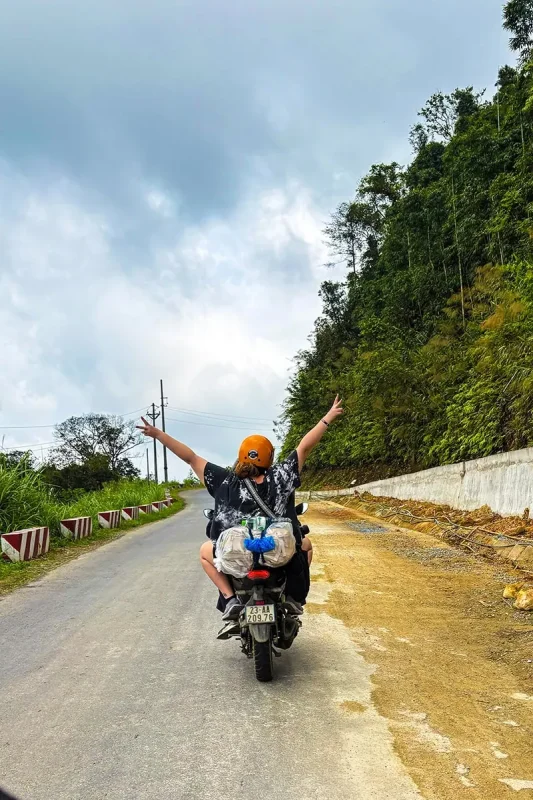
For Ha Giang, I had an Easy Rider throughout, but sitting on the back of a motorbike still took it out of me. My knees became stiff, my bum numb, and the rear bars dug into my hips. Asking for a cushion helped with the pressure, though I definitely should’ve done that earlier!
Our final day covered more than 140 kilometers, and by then I was feeling every bit of it. We also had hikes, caves, and swimming stops along the way. I managed all our activities, though the heat made the uphill start to the Skywalk pretty challenging.
I’ve shared more about the seat comfort, gear sizes and getting on the bike in my guide to being plus size on the Ha Giang Loop.

How Much Does Each Trip Cost?
Sapa was a fair bit cheaper for me, though I was traveling pretty differently in each place! In Sapa, I stayed in simple private rooms and spent plenty of time walking. In Ha Giang, I was paying for a tour with my own Easy Rider and nearly everything was included.
I spent US$72.90 over three days in Sapa, so around US$24 per day. That included accommodation, food, getting around, the bus from Hanoi, and even a beanie because I was freezing!
Though this was from my first trip to Vietnam, where I was on a crazy tight budget. You can see everything I spent in my Vietnam travel budget.
For the Ha Giang Loop, I didn’t book the cheapest option and paid US$299 per person for four days and three nights, which works out to around US$75 per day. I was happy to pay more for a reputable company (Road Kings) especially when it came to my safety.
That’s quite a jump, though it included my driver, motorbike, fuel, private rooms, meals, activities, and some drinks. Once we were on the loop, I mainly needed money for extra drinks, snacks, and a tip for my Easy Rider.


Getting There And How Long To Stay
Both are a decent journey from Hanoi, so personally, I’d spend at least three nights in each to make the travel worthwhile.
By the time you’ve arrived, checked in, and had something to eat, a fair bit of that first day can already be gone!
For Sapa, you’re looking at roughly six to seven hours by bus. You can also take an overnight train to Lao Cai, followed by a road transfer up to Sapa. My guide to getting from Hanoi to Sapa covers the different options.
Ha Giang is also around six to seven hours by road from Hanoi. I traveled straight from the airport, which saved heading into Hanoi first. You can read how that worked in my Hanoi Airport to Ha Giang guide.
In Sapa, three nights gives you a couple of full days to explore, whether you want to trek, visit villages, or take things a little slower. Staying longer also gives you more flexibility if the weather doesn’t cooperate.
For Ha Giang, I’d choose the four-day, three-night loop, then allow for arriving in the city the day before. We arrived the evening before starting and caught an onward sleeper bus the same day we finished.
If you need somewhere for that first night, my guide to the best hostels in Ha Giang includes dorms and private rooms for resting up before the ride.

Weather And The Best Time To Visit
The weather can make a pretty big difference to either trip, especially if you’re coming for mountain views!
I visited Sapa in February and Ha Giang in April, so I experienced them in different conditions.
Sapa was freezing, wet and foggy during my stay. We missed out on the views I’d been hoping for, and the muddy paths weren’t fun. Definitely something to consider if you’re picturing sunny days trekking through rice terraces!
You can read more about that chilly trip in my Sapa in February guide!
In Ha Giang, our first morning started with rain, though later in the trip I was struggling with the heat. Spending hours outside on the bike meant we felt whatever the weather was doing that day.
If you’re visiting both, March–April or September–October would be the months I’d look at first. They’re a good starting point for planning around the weather, though you can still get rain and fog. December–February can be pretty cold in both places, while May–August tends to be wetter in Ha Giang.



Is It Worth Visiting Both Sapa And Ha Giang?
If you’ve got the time, I’d for sure do both! They are so different, and I wouldn’t skip one just because you’ve already spent a few days in the mountains.
Sapa is somewhere you can have a nice room, head out for good food, and choose how much exploring you feel like doing. Then you’ve got Ha Giang, where you’re off on the bikes, staying somewhere different each night and getting to know your group along the way.
There are direct buses from Sapa to Ha Giang, so thankfully, you don’t need to go all the way back to Hanoi between them! It’s still quite a drive though, so give yourself time to get across and settled before starting the loop.
Personally, I’d allow around eight or nine days for both, including travel. That gives you three nights in Sapa, a night in Ha Giang before departure, and the four-day loop.
FAQs About Sapa Vs Ha Giang
Which Is Better For Solo Travelers?
I’d lean toward Ha Giang if you’re keen to meet other backpackers. On a group loop tour, you’re sharing meals, stops, and evenings with the same people for several days, so there’s plenty of time to get to know everyone.
Can You Visit Ha Giang Without Riding A Motorbike?
Yes! You can explore Ha Giang by private car with a driver if you’d prefer to stay off motorbikes altogether.
If it’s the driving you’re worried about, an Easy Rider is another option. You ride on the back while a local driver handles the bike. That’s what I did, so I could enjoy the views without navigating those winding roads myself!
Can You Visit Sapa Without Trekking?
Yes! Trekking is a big reason people visit, though you can still enjoy Sapa without committing to long walks. You can take the Fansipan cable car for mountain views, enjoy the cafes and restaurants in town, or choose a countryside stay if you’d rather enjoy the views from your bed.
Do You Need A Tour For Sapa Or Ha Giang?
You can visit Sapa independently and arrange a guided trek separately if you want. For Ha Giang, though, I’d recommend booking a tour. Having everything sorted through Road Kings made things easy, and getting to know our group was a massive part of why I loved the loop!

Wrap Up: Which Would I Choose Again?
Honestly, if I could only choose one, it would be Ha Giang! Those four days on the loop became one of my favorite experiences in Vietnam. There were long riding days and a seriously sore bum, though I’d happily do it all again.
Though I get sitting on a motorbike isn’t everyone’s idea of a holiday, in this case Sapa would be my pick. That way you can enjoy all the good restaurants, nice hotels, and the freedom to decide what you feel like doing.
Though if you’ve got enough time, I’d for sure visit both. Give yourself at least three nights in Sapa and three nights on the Ha Giang Loop, plus time to get there and settle in before your tour.
They’re very different experiences, and I wouldn’t skip one just because you’ve already spent a few days in the mountains!
Any Questions? Let Me Know In The Comments!
LIKE IT? PIN IT!

Disclaimer: This post contains affiliate links. So, if you click on it and purchase something, I get a small percentage at no extra cost to you. As always, all opinions are my own, and your support is much appreciated.
Related Posts

Best 8 Beaches In Nha Trang You NEED To Visit!
Come check out crystal clear waters by exploring the best beaches in Nha Trang. Beach [...]
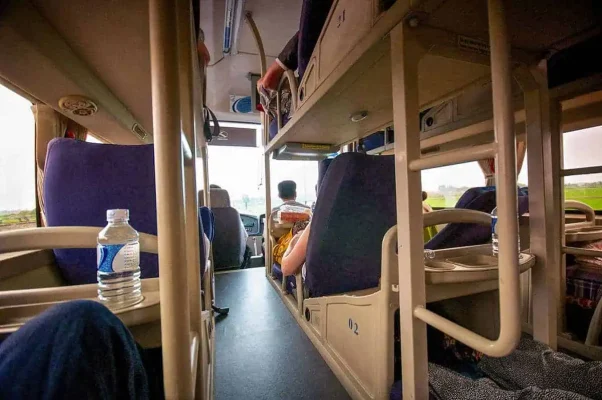
Taking A Vietnam Sleeper Bus: What You Need To Know
Find out all about taking a Vietnam sleeper bus, whether it is worth it, how [...]
7 Comments

Is Ha Long Bay Worth Visiting? My Honest Experience
If you’re trying to squeeze Ha Long Bay into your Vietnam itinerary, you’ll want to [...]

Ho Chi Minh City To Phnom Penh: Best Ways To Travel
Traveling from Ho Chi Minh City to Phnom Penh? This guide breaks down the best [...]
3 Comments
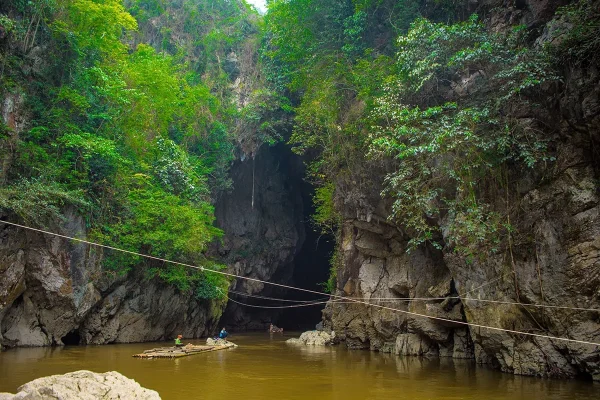
Hang Tham Lin Cave: My Favorite Ha Giang Loop Swim Stop
Hang Tham Lin Cave is one of the Ha Giang Loop’s more unusual swimming stops, [...]
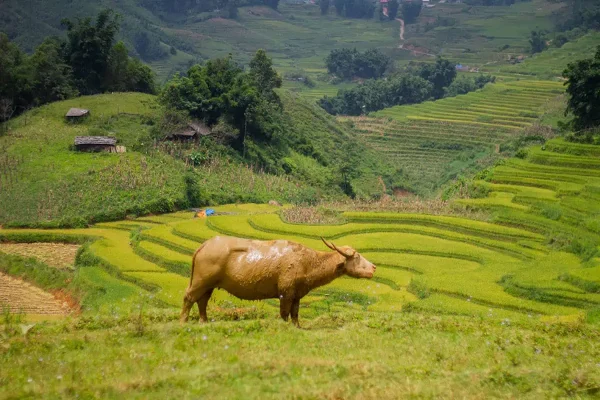
3 Days in Sapa Itinerary: Trekking, Fansipan & a Homestay (2026)
Planning 3 days in Sapa? This mountain town in Northern Vietnam is all about rice [...]
2 Comments
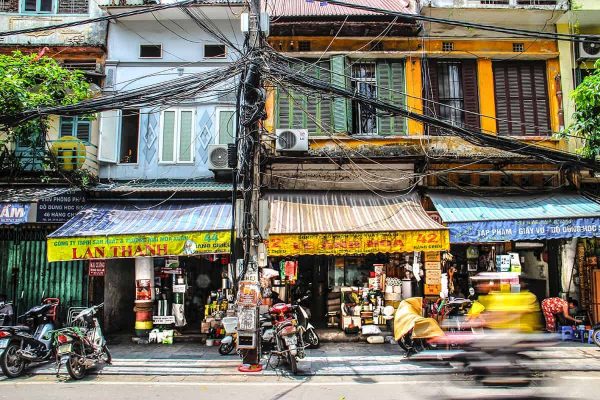
My 3 Days In Hanoi Itinerary For First-Time Visitors
Planning on spending 3 days in Hanoi, but not sure what exactly to do? Come [...]

Nho Que River Boat Ride: Visiting While On The Ha Giang Loop
Planning a Nho Que River boat ride while doing the Ha Giang Loop? From the [...]

Ha Giang To Ha Long Bay: My VIP Sleeper Bus Experience (2026)
After a few dusty days on the bike, you might be ready to swap mountain [...]

Luon Cave Ha Long Bay: Is It Worth Visiting?
Luon Cave was a quick little outing from our Ha Long Bay cruise, with a [...]
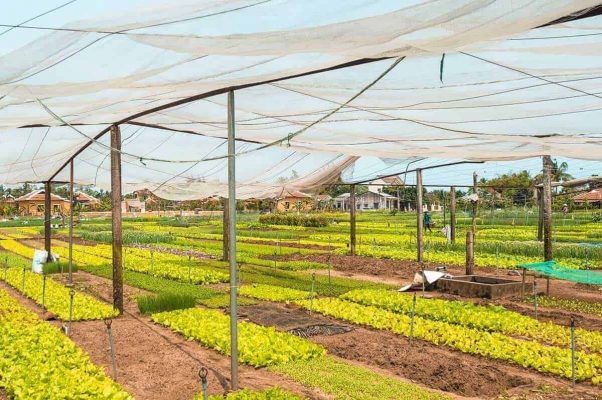
Tra Que Vegetable Village, Hoi An: Is It Worth Visiting?
Find out about visiting Tra Que Vegetable Village located in Hoi An, Vietnam. Learn about [...]
1 Comment

My Honest Ha Giang Loop Review: Is It Worth It?
Thinking about doing the Ha Giang Loop but wondering whether it really lives up to [...]
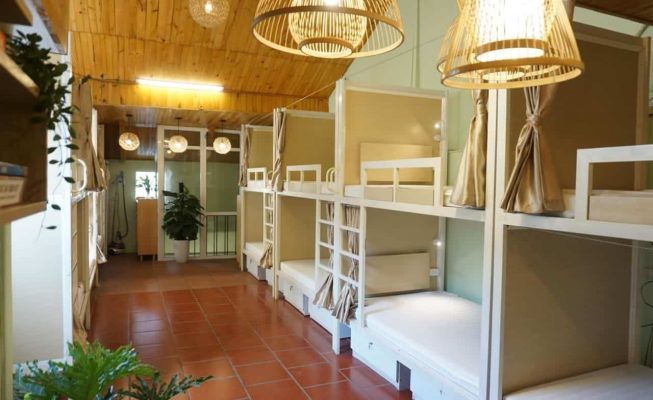
The Best Hostels In Hanoi: 9 Top Hostels Worth Booking
Come check out the best hostels in Hanoi for the perfect stay in Vietnam. I [...]
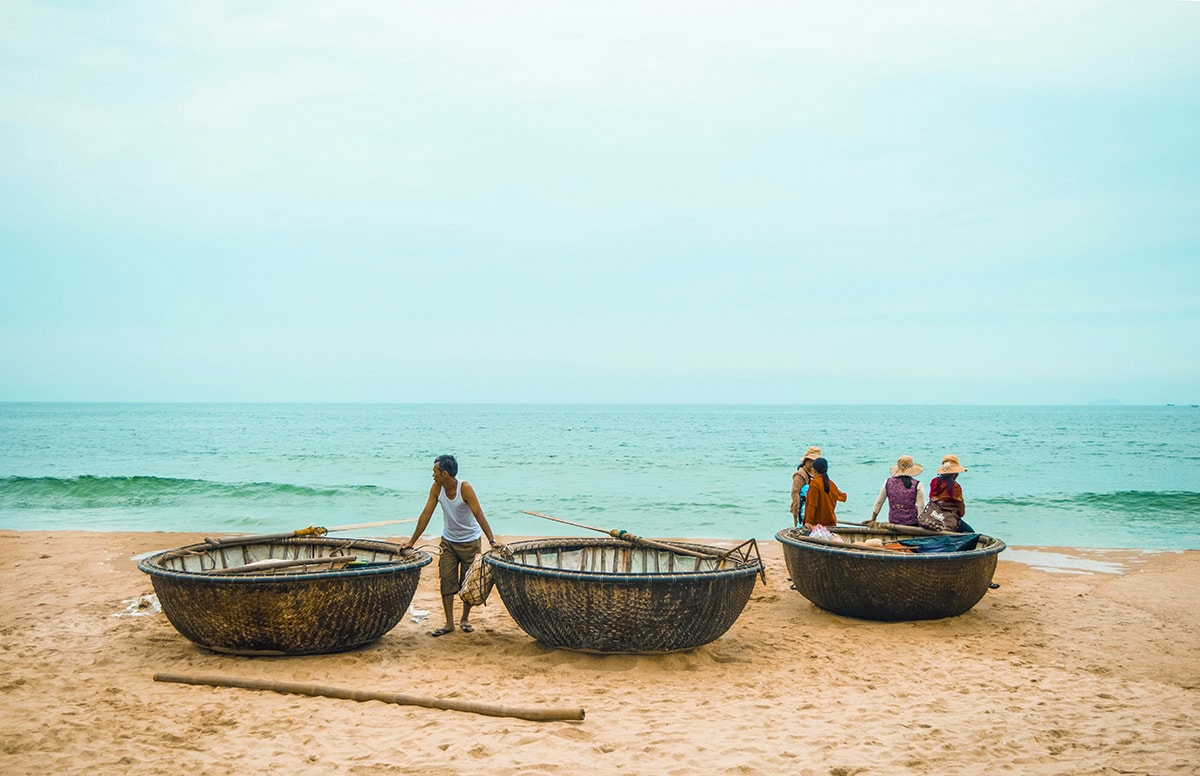
Top Things To Do In Hoi An, Vietnam
Hoi An is an absolutely beautiful area and is very popular with locals or tourists [...]
32 Comments
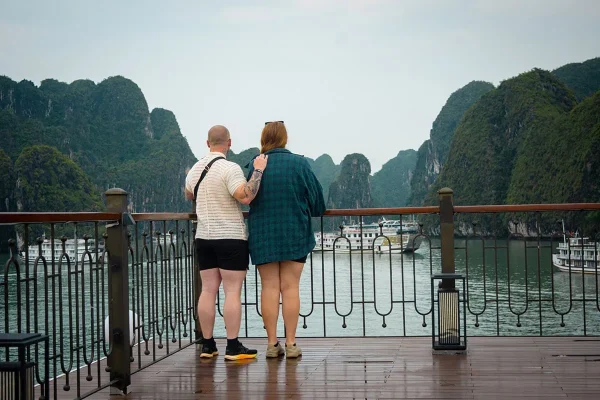
Indochine Premium Cruise Review: My Honest Ha Long Bay Experience
A beautiful balcony suite, personalized vegetarian meals, and barely enough time to enjoy it all! [...]

My Son Sanctuary Hoi An: BEST Tips & Tours (2026)
Come discover the incredible site of My Son Sanctuary from Hoi An. I will let [...]
5 Comments
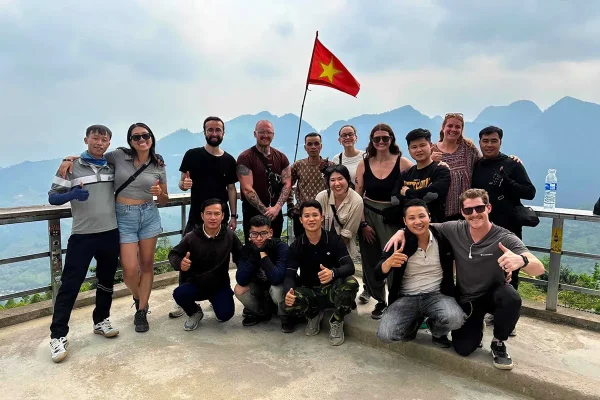
Road Kings Ha Giang Review: My Honest 4-Day Tour Experience
Thinking about booking the Ha Giang Loop with Road Kings but wondering whether it’s worth [...]
2 Comments

How To Travel From Da Nang To Hoi An
Learn how to travel from Da Nang to Hoi An in detail. From the bus, [...]
3 Comments
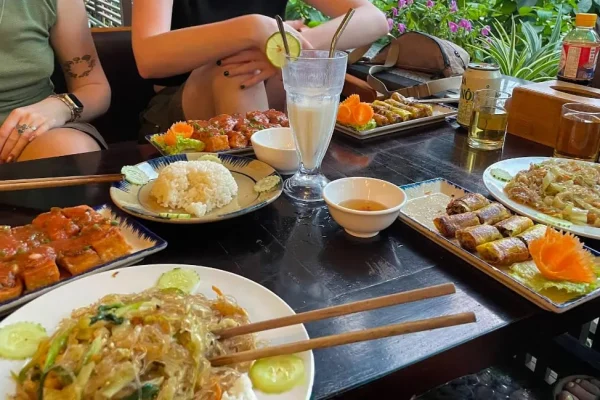
Where To Eat In Ha Giang: Good Food Before & After The Loop
Whether you’ve just stepped off a sleeper bus or finished a few dusty days on [...]

3 Day Nha Trang Itinerary & BEST Travel Tips
Find out all you need to know about backpacking Nha Trang and my Nha Trang [...]

Explore Ha Long Bay On A Budget, Vietnam
Choosing a Ha Long Bay Budget Tour One of the most popular things to do [...]
39 Comments

Discovering Lan Ha Bay and Cat Ba Island, Vietnam
Discovering Cat Ong Island and Cat Ba Island in Lan Ha Bay With Ocean Tours [...]
36 Comments

3 Weeks In Vietnam: My Complete North To South Itinerary
Come find out the best 3 weeks in Vietnam itinerary for the ultimate trip. We’ll [...]
11 Comments
Scams In Vietnam: READ BEFORE YOU VISIT (2026)
Come find out everything you need to know about common scams in Vietnam. Be a [...]
4 Comments
Backpacking Hanoi On A Budget: My Top Travel Tips
Find out everything you need to know about backpacking Hanoi on a budget while in [...]
Vietnam Sleeper Trains: Routes, Prices & What To Expect
Find out about taking a Vietnam sleeper train. Let’s talk about whether it is worth [...]
15 Comments
Hanoi Airport To Ha Giang: How To Get There
Ready to swap the busy streets of Hanoi for the mountains of Ha Giang? Here’s [...]
My 2 Days In Hue Itinerary: What To Do And Where To Stay
Find out the best 2 days in Hue itinerary to ensure you have the ultimate [...]
Backpacking Hoi An Itinerary: 3 Days In Hoi An Travel Tips
Come find out all you need to know about backpacking Hoi An to have the [...]

Hoi An To Nha Trang: 5 BEST Options Explained
Find out how to travel from Hoi An to Nha Trang while in Vietnam. This [...]
1 Comment

Backpacking Ho Chi Minh City (Saigon): My Top Travel Tips
Come check out all you need to know about backpacking Ho Chi Minh City on [...]
1 Comment

Ma Pi Leng Skywalk: Hiking To Ha Giang’s Death Rock
The Ma Pi Leng Skywalk is a beautiful walk through a small mountain village before [...]

Backpacking Vietnam: Travel Guide & Tips For First Time Visitors 2026
Get ready for your backpacking Vietnam adventure by finding out all you need to know [...]
Best Cu Chi Tunnels Tours: Cheap vs. Expensive Options Compared
Check out all you need to know when it comes to booking a Cu Chi [...]

Nha Trang To Mui Ne: Travel By Bus, Train Or Private Transfer
If you are traveling the entirety of Vietnam you will no doubt find yourself needing [...]

How To Get From Hanoi To Sapa: Best Transport Options
Want to swap Hanoi’s chaos for rice terraces and mountain views? Here’s exactly how to [...]
2 Comments
Hanoi To Hue: Train, Bus & Flight Options Compared
Let me tell you exactly how to travel from Hanoi to Hue in Vietnam. Whether [...]

Ha Long Bay To Hanoi: My VIP Minivan Experience & Travel Options
Getting from Ha Long Bay to Hanoi was a comfy ride for us, though booking [...]

Plus Size On The Ha Giang Loop: My Honest Experience
My trip started with rain pants ripping as soon as I climbed onto the motorbike. [...]

Hue To Da Nang: The Cheapest & Best Ways To Travel
If you are exploring the length of Vietnam it is likely you will need to [...]
1 Comment
Sapa vs Ha Giang: Which Should You Visit?
Trying to choose between Sapa and Ha Giang? From nice hotels and mountain cafes to [...]

My Vietnam Trip Cost: How Cheap Is Vietnam and My $25 Daily Budget (2026)
Find out exactly how much it will cost to travel Vietnam budget backpacker style and [...]
21 Comments
The Best Things To Do In Vietnam Recommended By REAL Travelers
Find out the best things to do in Vietnam for backpackers and travelers! Listed from [...]
19 Comments
Ha Giang Loop Accommodation: What To Expect From Homestays & Private Rooms
Wondering what Ha Giang Loop accommodation is actually like? After spending 3 nights in homestays [...]
Staying At Chien Hostel in Hanoi, Vietnam
The Ultimate Hostel in Hanoi’s Old Quarter, Chien Hostel Tucked among the chaotic streets of [...]
38 Comments
Thanh Ha Pottery Village In Hoi An: Best Tips For Visiting
Keen to explore a quieter spot in the bustling city of Hoi An? Well there [...]
1 Comment
Sapa In February: All You Need To Know (2026)
Find out what Sapa is like in February and about my experience hiking in pretty [...]
10 Comments
Mui Ne To Ho Chi Minh City: Bus, Train, LimoBus Or Taxi?
If you are like me and traveling Vietnam from North to South then you may [...]

Best Things To Do In Mui Ne: My Top Attractions (2026)
Looking for the best things to do in Mui Ne? From enormous sand dunes and [...]
23 Comments
Best Hostels In Ha Giang: Where To Stay Before The Loop
Before tackling the Ha Giang Loop, you’ll for sure want a decent night’s sleep. From [...]

Du Gia Waterfall: What It’s Really Like On The Ha Giang Loop
Du Gia Waterfall looks like the perfect place to cool off on the Ha Giang [...]
Ta Lung Cave Ha Giang: Dark Chambers And A Hidden Buddha
With no lighting, slippery paths and a huge Buddha statue deep inside, Ta Lung Cave [...]

Imperial City Of Hue: What You NEED To Know
Find out about spending a day exploring the Imperial City of Hue in Vietnam. Learn [...]
11 Comments

Snorkeling In Nha Trang: Hon Mun Tour Review & Tips
Nha Trang no doubt is a tourist hub in Vietnam, with a lot more of [...]
3 Comments

Is Mui Ne Worth Visiting & BEST Mui Ne Itinerary (2026)
Check out my favorite 2 days in Mui Ne itinerary and find out is Mui [...]
10 Comments
